




Die Cloud navigieren: Die Google Cloud Platform-Diagramm enthüllt
Einführung
In der sich ständig verändernden Landschaft der Cloud-Computing-Technologie suchen Unternehmen und Entwickler robuste Lösungen, um ihre vielfältigen Anforderungen zu erfüllen. Die Google Cloud Platform (GCP) ist ein bedeutender Akteur in diesem Bereich und bietet eine umfassende Reihe von Cloud-Diensten. Die Komplexität von GCP kann einschüchternd sein, doch ein gut gestaltetes Diagramm kann als Orientierungshilfe durch die Cloud dienen.
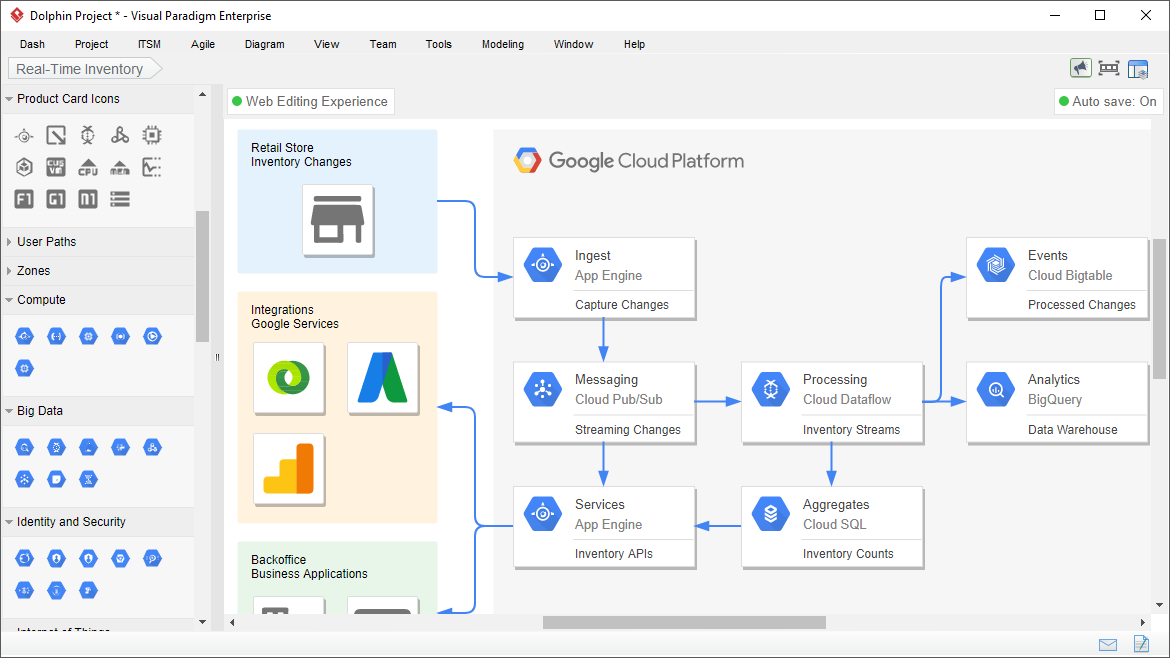
Wichtige Komponenten des Google Cloud Platform-Diagramms
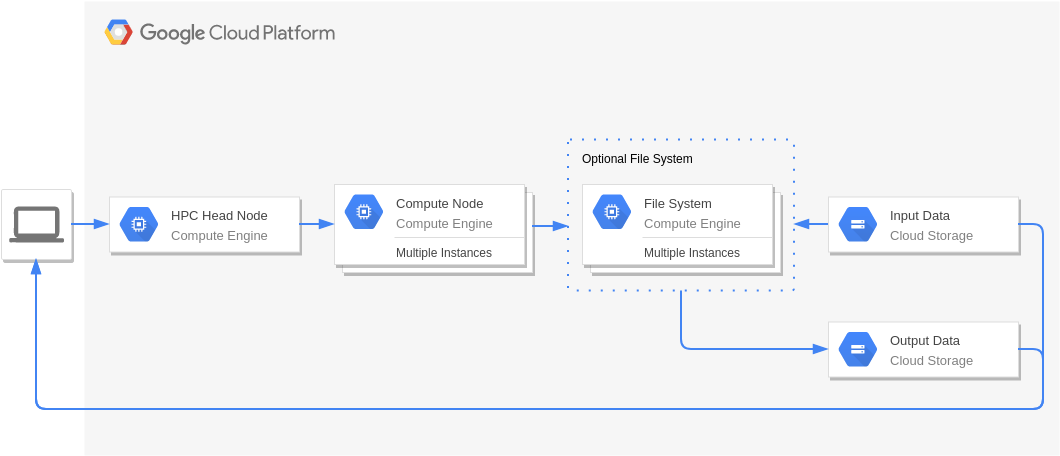
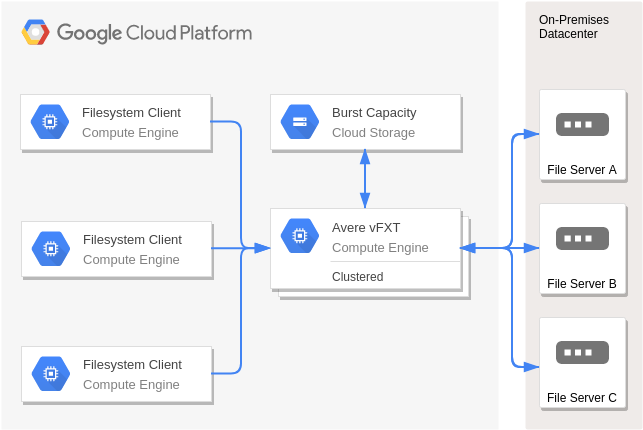
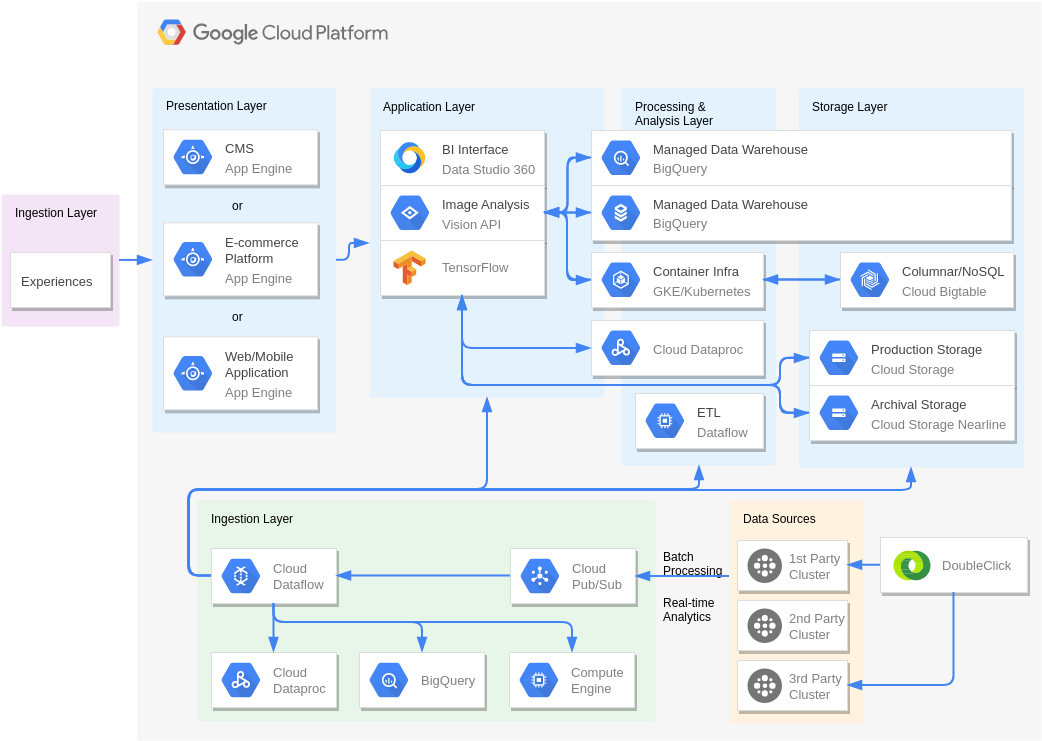
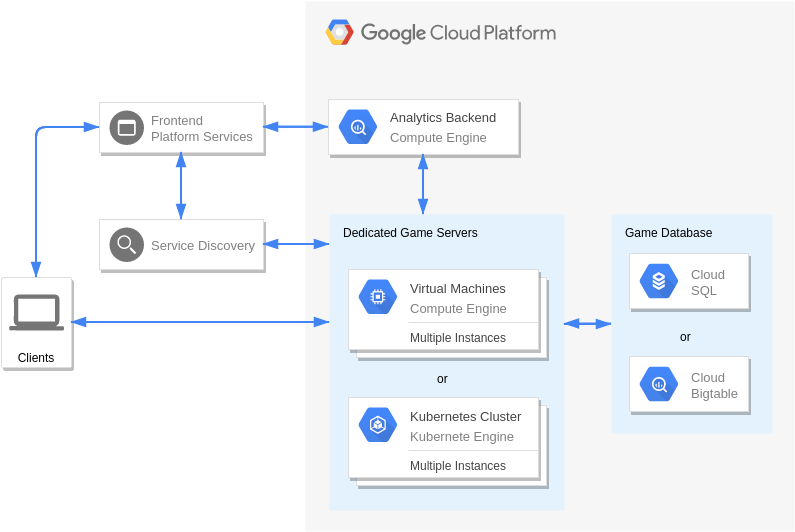
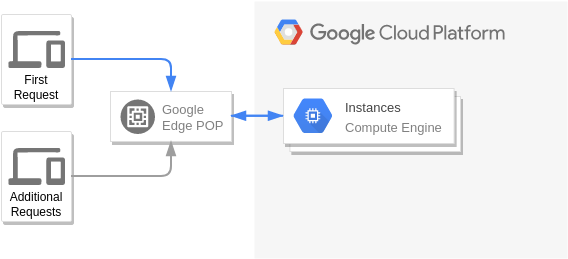
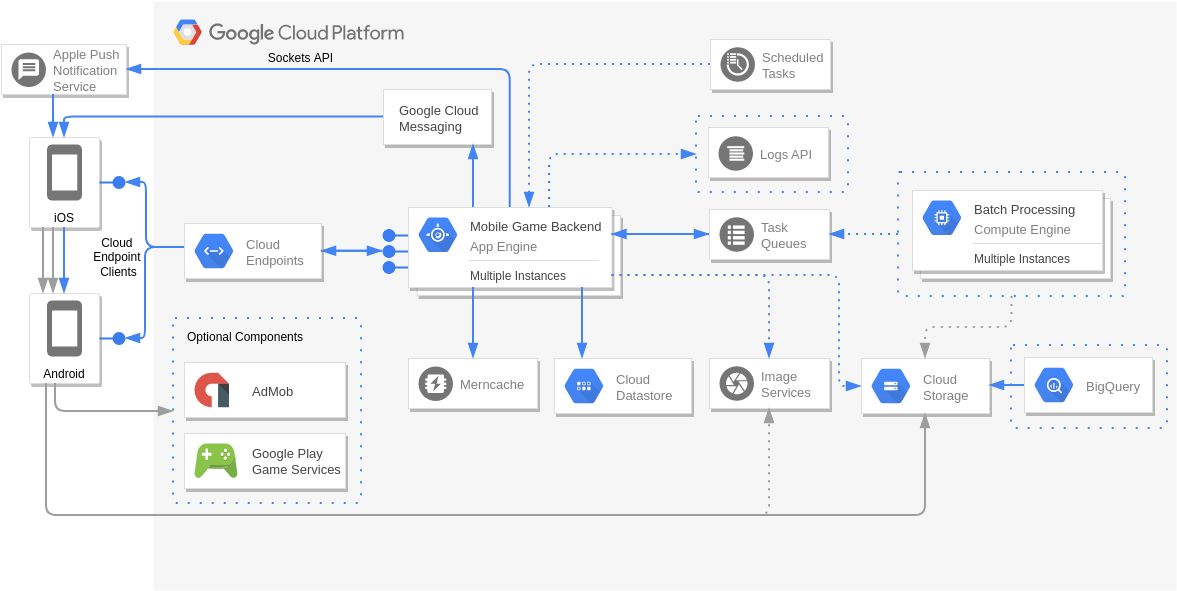
- Compute Engine:Im Zentrum der GCP-Infrastruktur bietet der Compute Engine skalierbare virtuelle Maschinen (VMs) zum Ausführen von Anwendungen. Im Diagramm dargestellt als miteinander verbundene Server-Symbole ist dieser Bestandteil die Leistungskraft der Rechenleistung in der Cloud.
- App Engine:Abgebildet als skalierbares Zahnrädchen ermöglicht der App Engine Entwicklern die Erstellung und Bereitstellung von Anwendungen ohne die Belastung der Verwaltung der zugrundeliegenden Infrastruktur. Er ist die erste Wahl für alle, die eine vollständig verwaltete, serverlose Plattform suchen.
- Kubernetes Engine:Erkennbar an seinem Cluster miteinander verbundener Container ermöglicht der Kubernetes Engine eine effiziente Orchestrierung und Verwaltung von containerisierten Anwendungen. Er ist eine entscheidende Komponente für alle, die Containerisierung und Mikroservices-Architektur verfolgen.
- Cloud Functions:Dargestellt als kleine, agile Wolken repräsentieren Cloud Functions serverlose Funktionen, die sich automatisch an den eingehenden Datenverkehr anpassen. Diese Komponente ist ideal für die Ausführung einzelner Funktionen, ohne dass Server bereitgestellt oder verwaltet werden müssen.
- Speicheroptionen:GCP bietet verschiedene Speicherlösungen, die jeweils im Diagramm unterschiedlich dargestellt sind. Cloud Storage ist als Speicherbox dargestellt, Cloud SQL als Datenbank-Symbol und Bigtable als Symbol für verteilten Speicher. Dieser Abschnitt betont die Flexibilität, die GCP für unterschiedliche Anforderungen im Bereich Daten-Speicherung bietet.
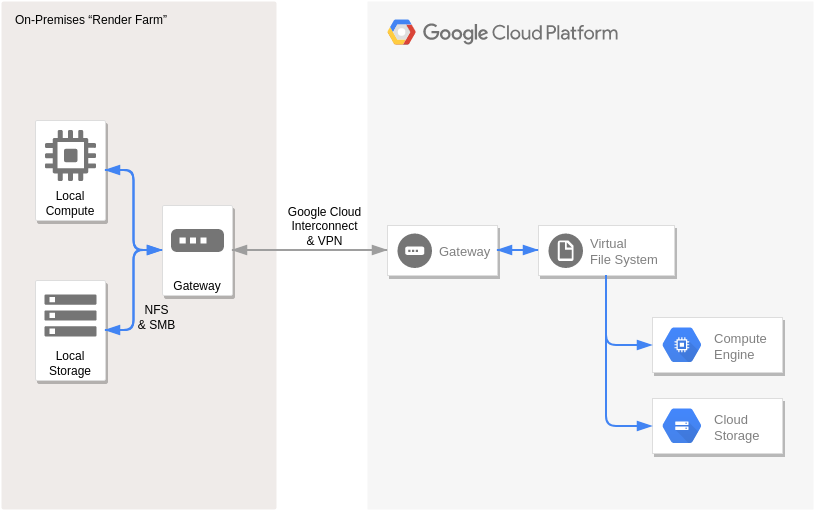
- Netzwerk:Abgebildet als miteinander verbundene Linien und Knoten zeigen die Netzwerkkomponenten die Betonung von GCP auf die Schaffung stabiler und sicherer Verbindungen. Google Virtual Private Cloud (VPC) ermöglicht es Benutzern, ihr Netzwerk anzupassen und die Kommunikation zwischen Ressourcen zu steuern.
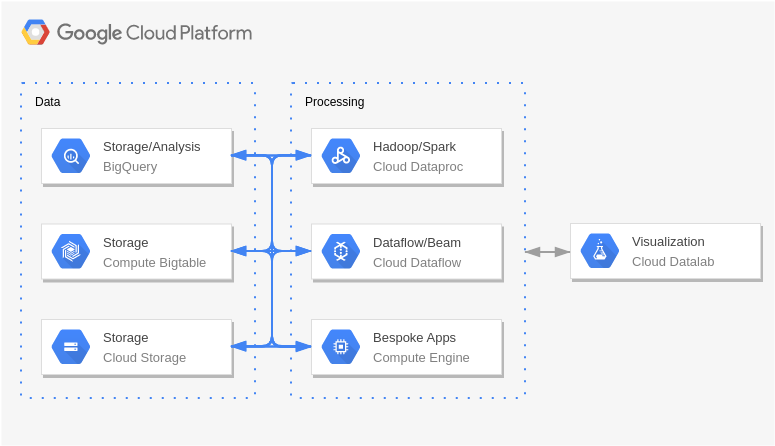
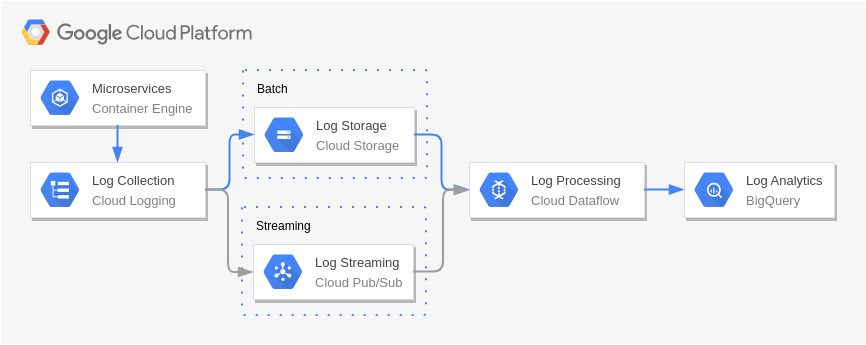
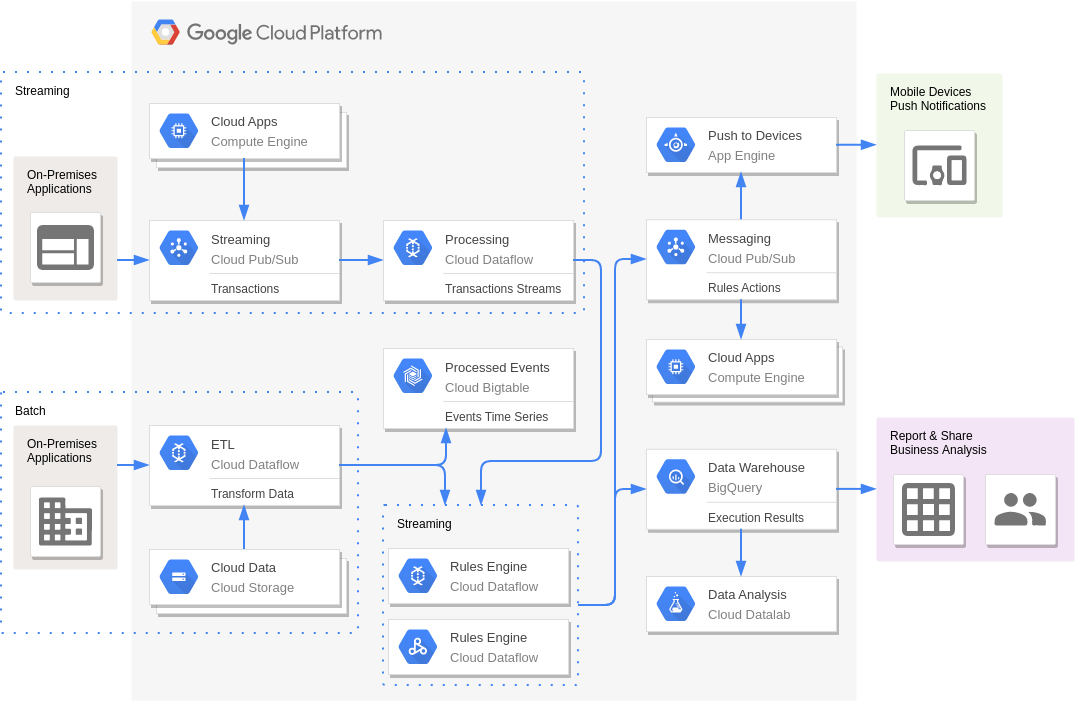
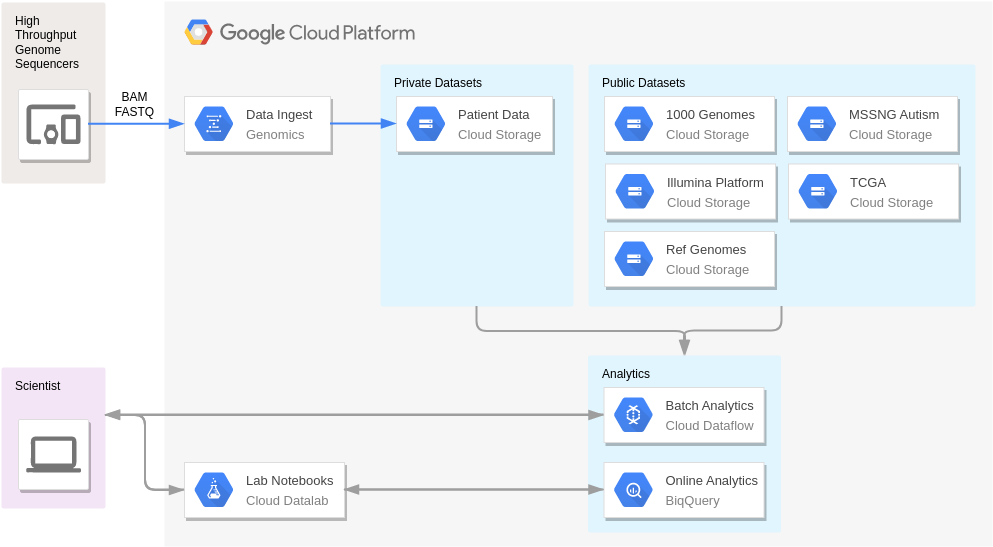
- Big Data und Analytik:Abgebildet als Daten-Pipeline umfassen die Big Data- und Analytik-Dienste von GCP BigQuery, Dataflow und Dataprep. Diese Dienste ermöglichen es Benutzern, große Datensätze effizient zu analysieren und Erkenntnisse zu gewinnen.
- KI und maschinelles Lernen:Dargestellt durch ein Neuronales-Netz-Symbol sind die KI- und Maschinen-Lern-Dienste von GCP integraler Bestandteil der Plattform. TensorFlow und die AI-Plattform sind Werkzeuge, die Entwickler nutzen können, um maschinelles Lernen-Modelle zu erstellen, zu trainieren und bereitzustellen.
- Identität und Sicherheit:Abgebildet als Schloss und Schlüssel betonen die Identitäts- und Sicherheitskomponenten von GCP, einschließlich Identity and Access Management (IAM), das Engagement der Plattform für robuste Sicherheitsmaßnahmen. IAM ermöglicht eine fein abgestimmte Kontrolle darüber, wer auf Ressourcen zugreifen darf und welche Aktionen sie ausführen können.
Beispiele
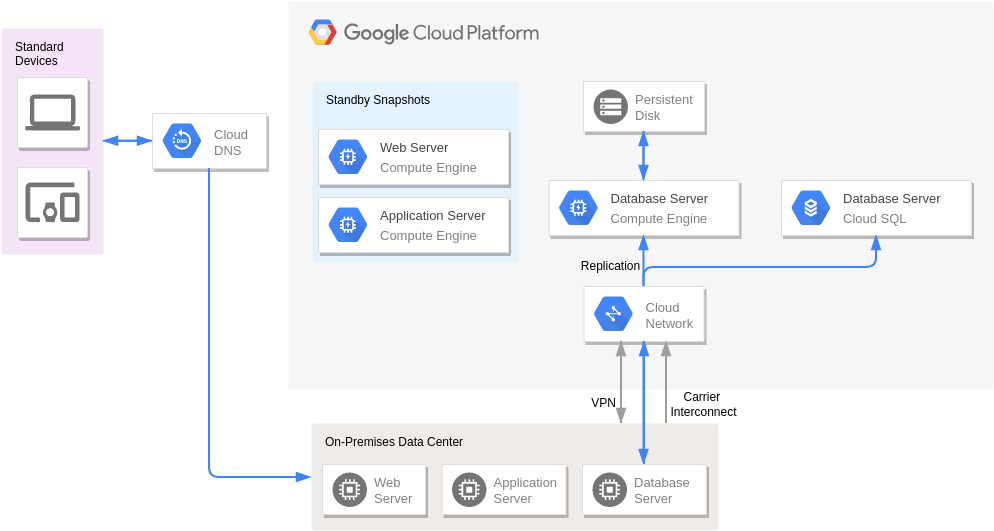
Notfallwiederherstellung mit Anwendungsreplikation
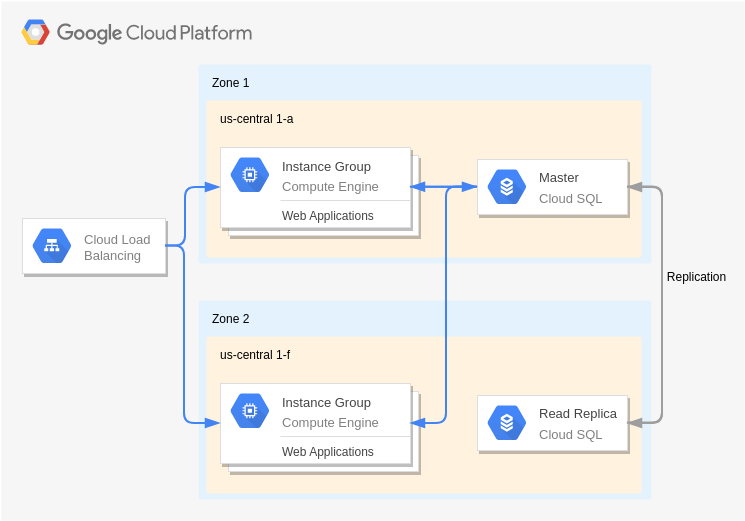
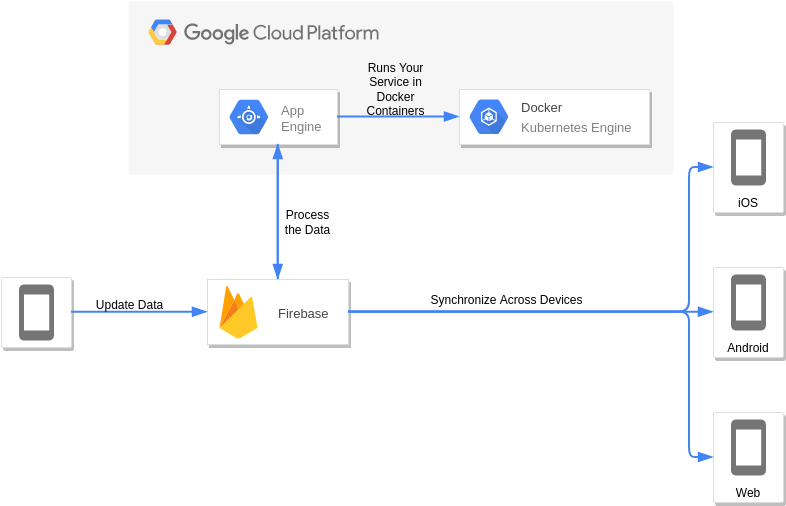
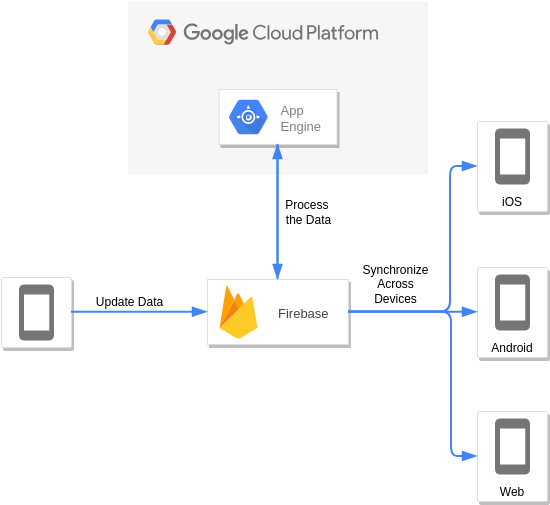
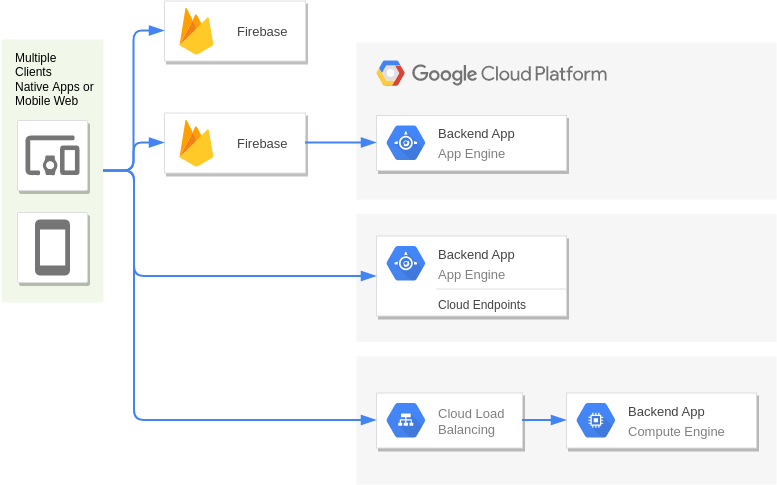
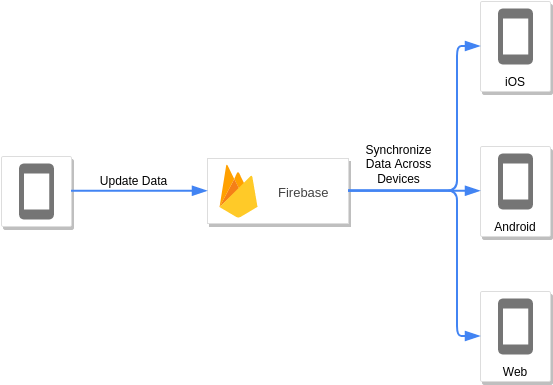
Firebase und Google App Engine

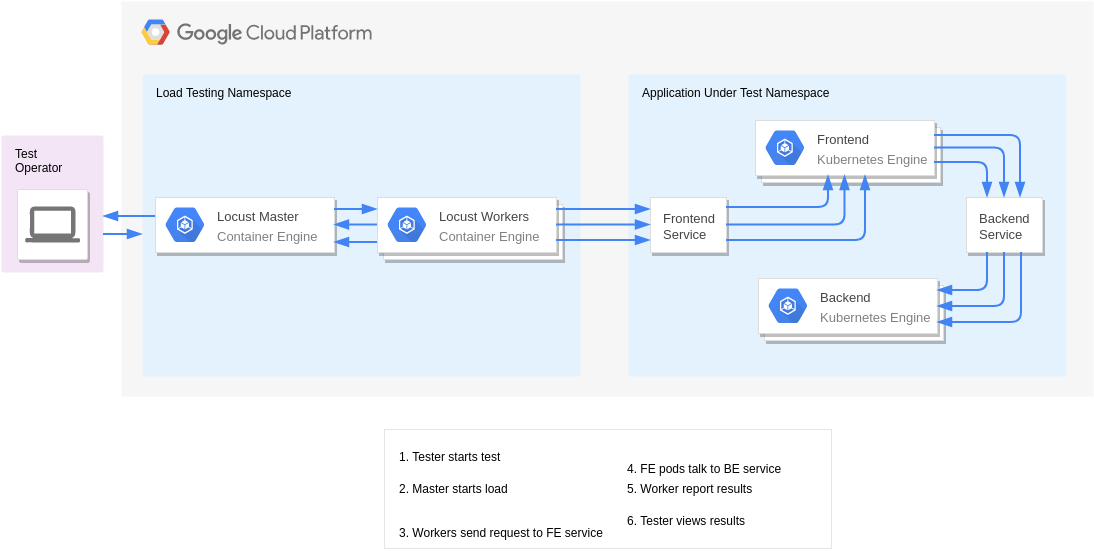
Skalierungstests mit Kubernetes+Locust
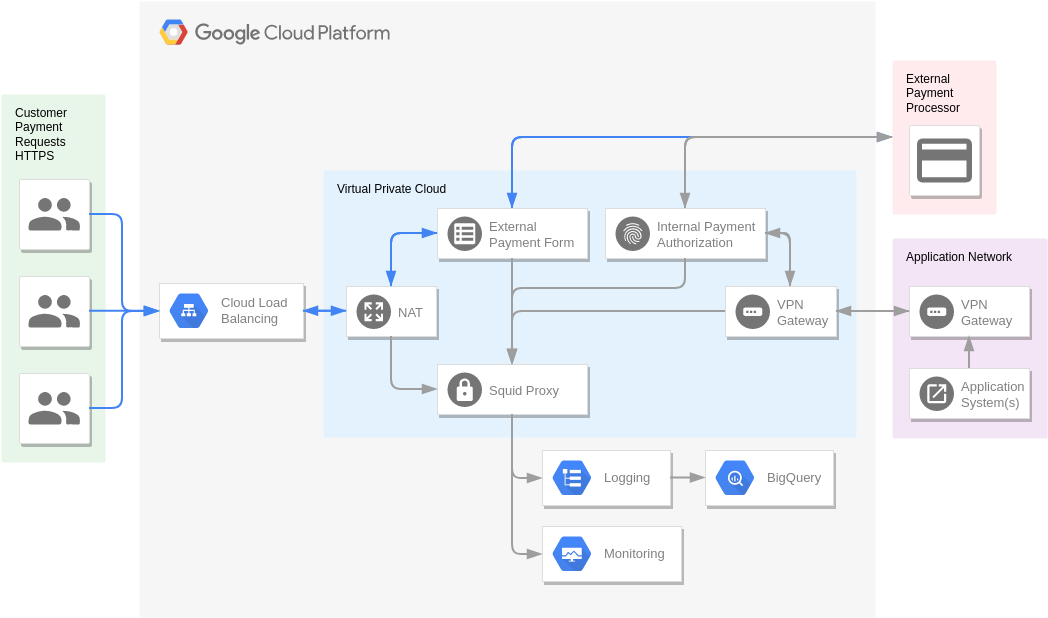
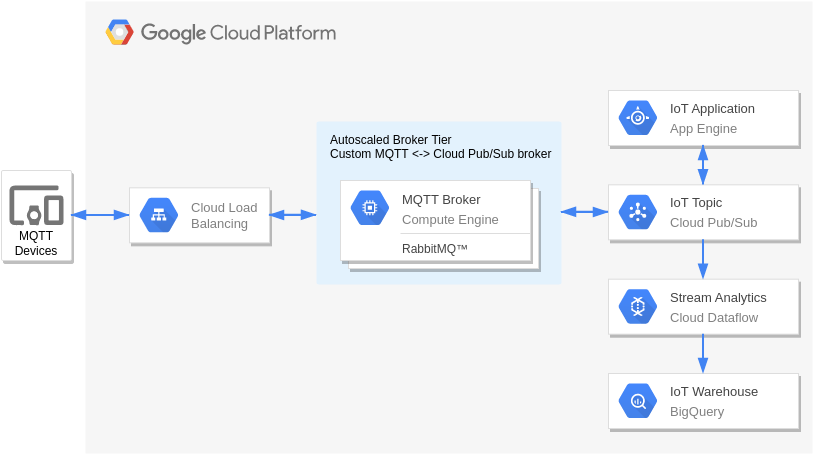
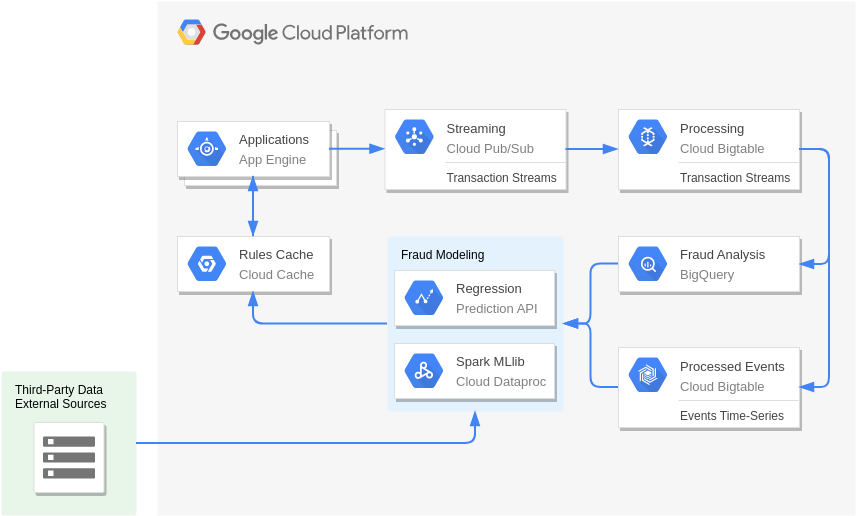
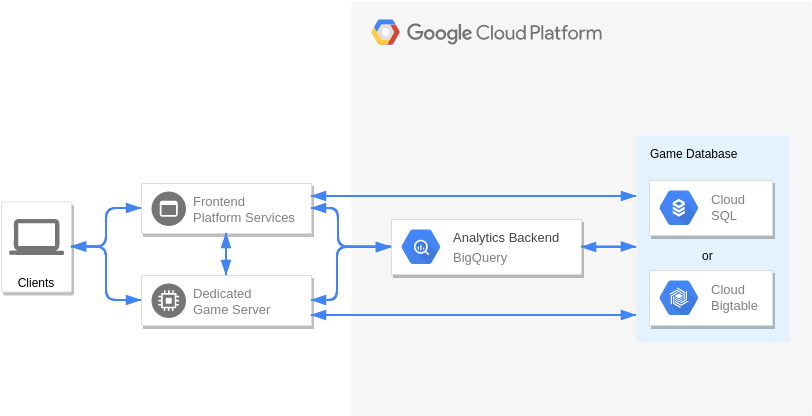
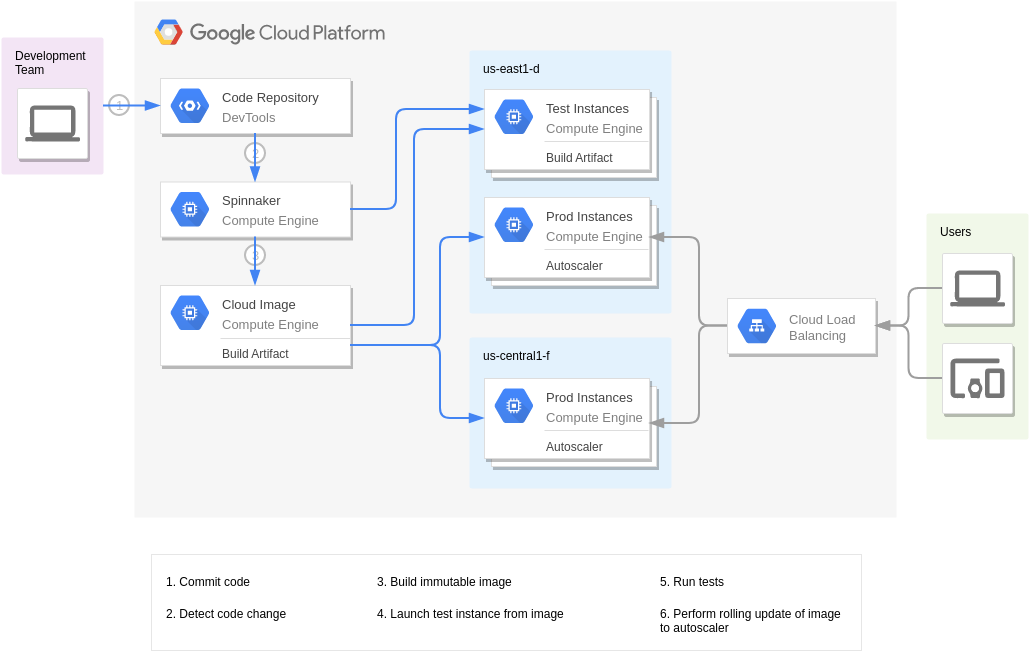
Kontinuierliche Bereitstellung mit Spinnaker
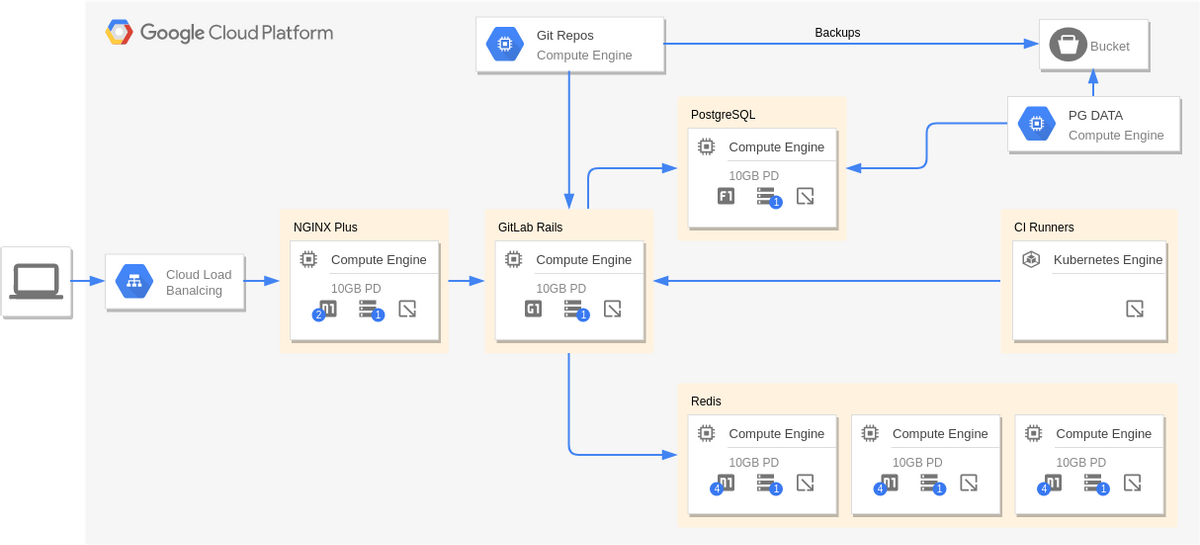
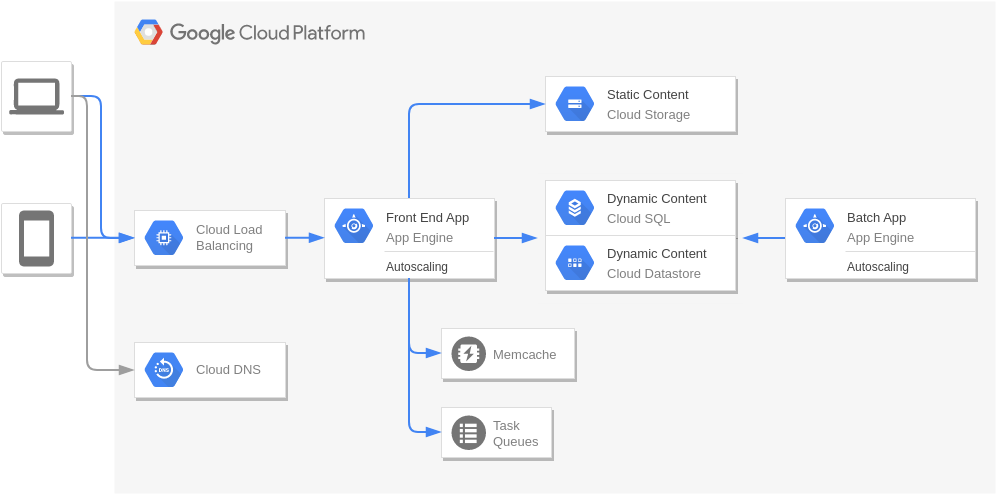
Webanwendung auf Google App Engine
Notfallwiederherstellung mit Anwendungsreplikation
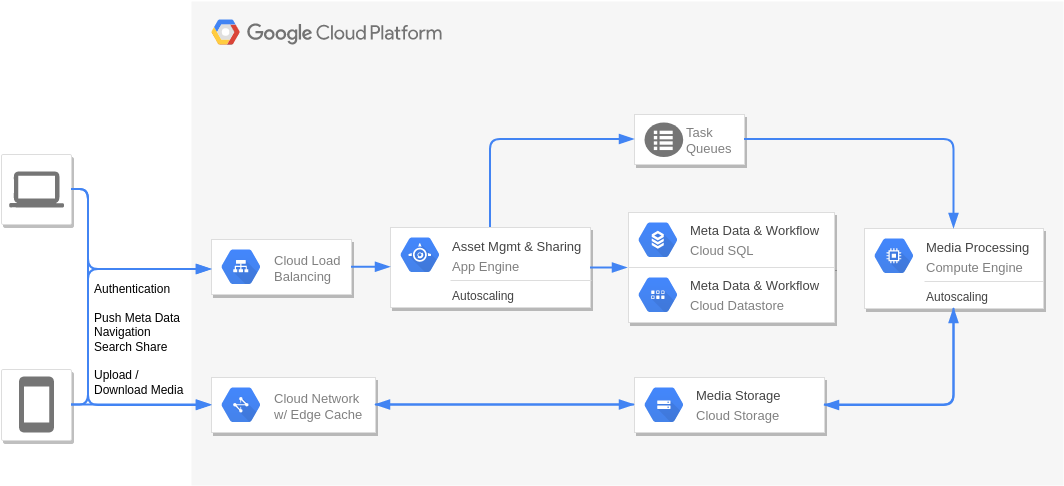
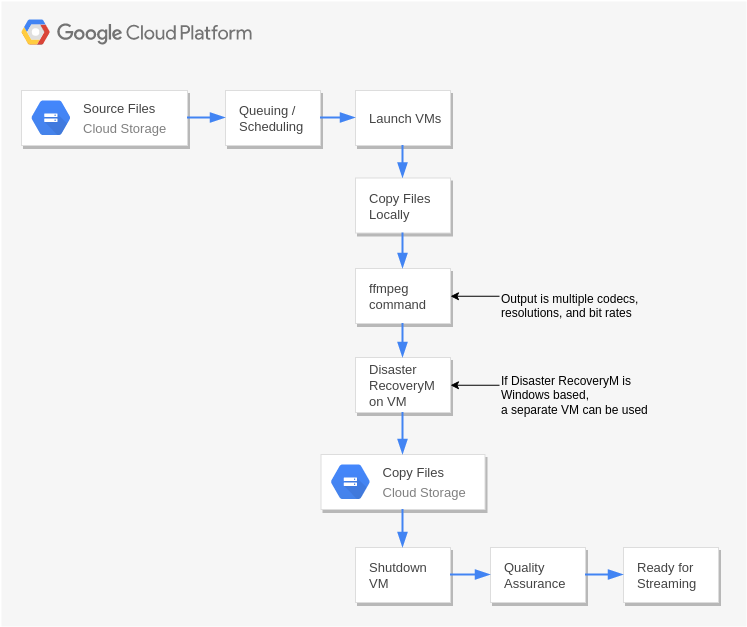
Digitale Asset-Verwaltung und -Freigabe

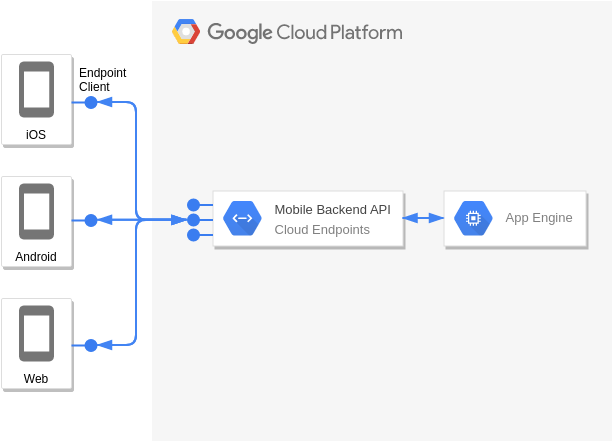
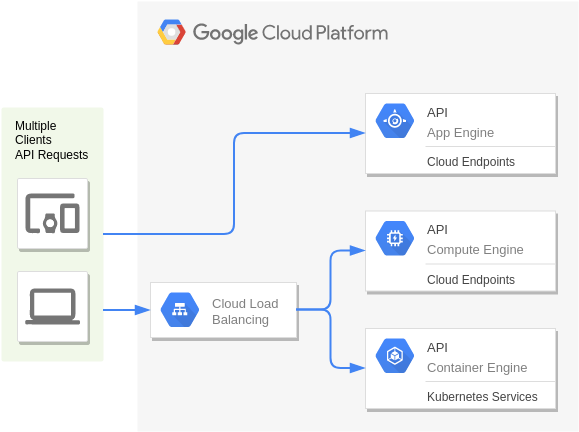
App Engine und Cloud-Endpunkte
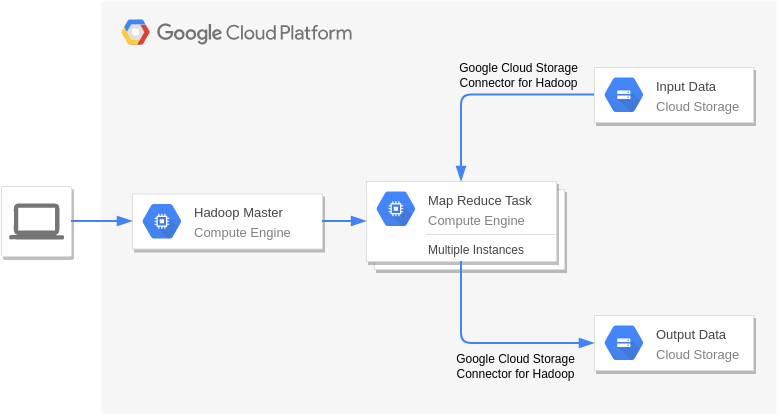
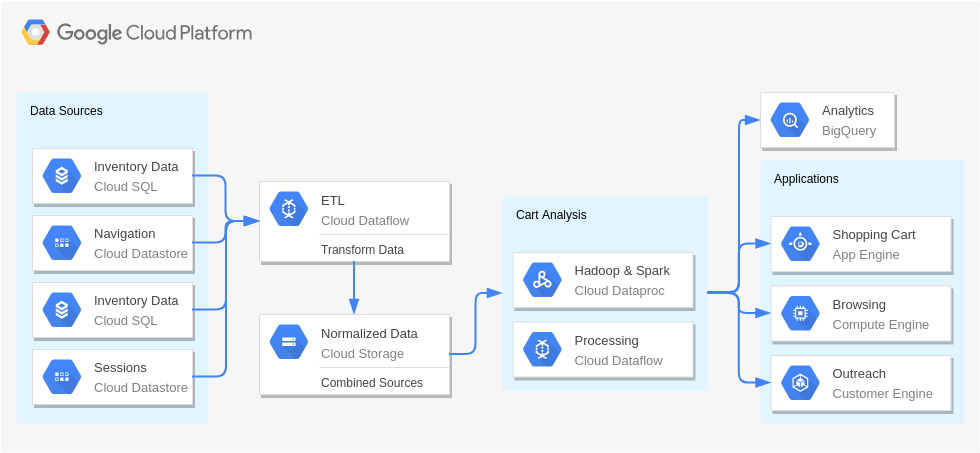
Handoop auf Google Cloud Platform
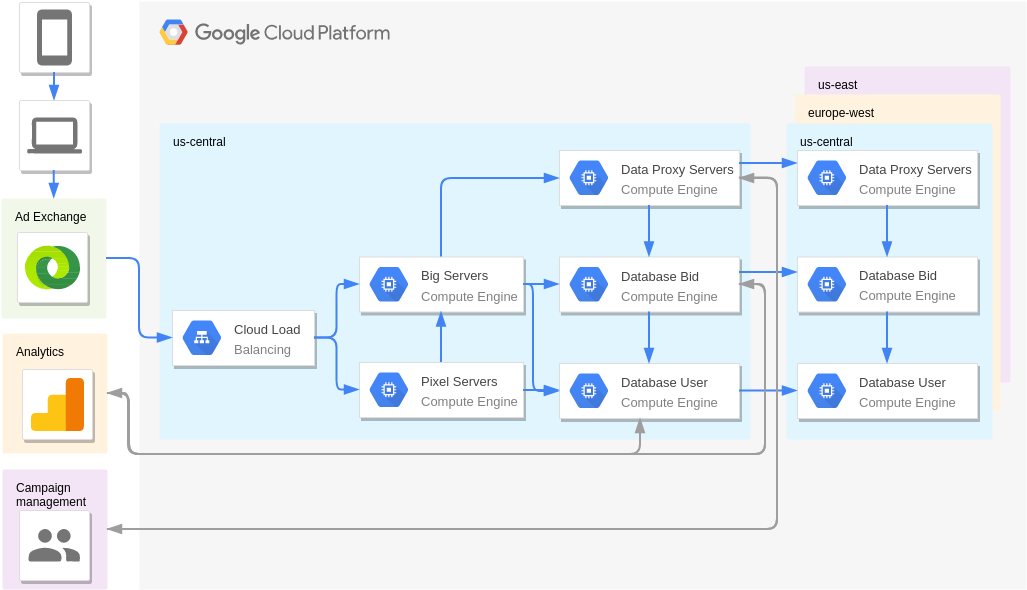
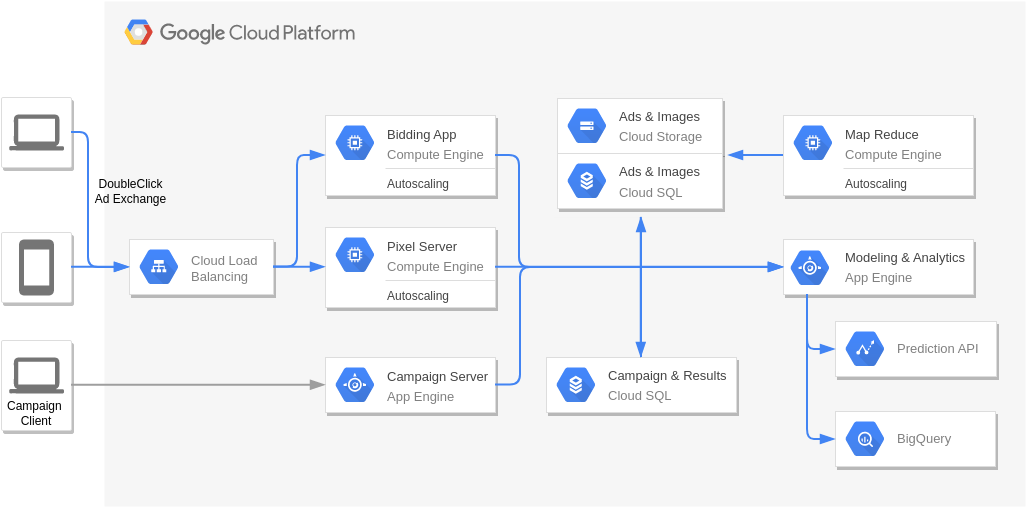
Echtzeit-Auktionen (Digitales Marketing)
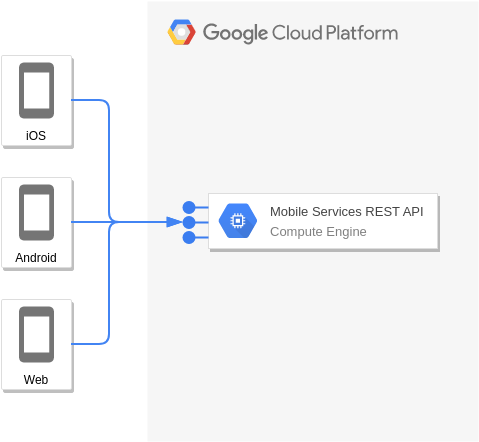
Compute Engine und REST oder gRPC
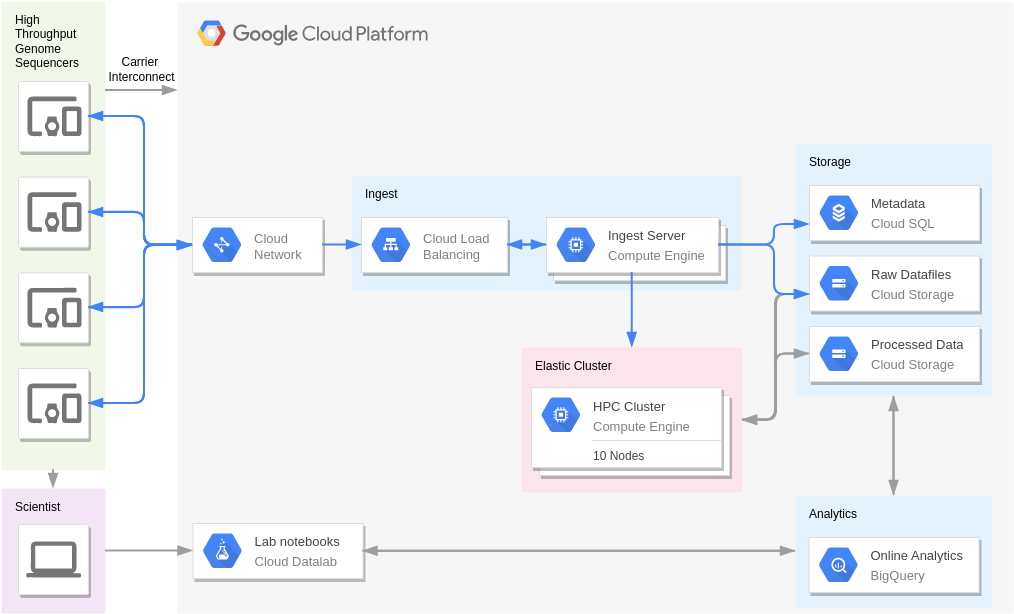
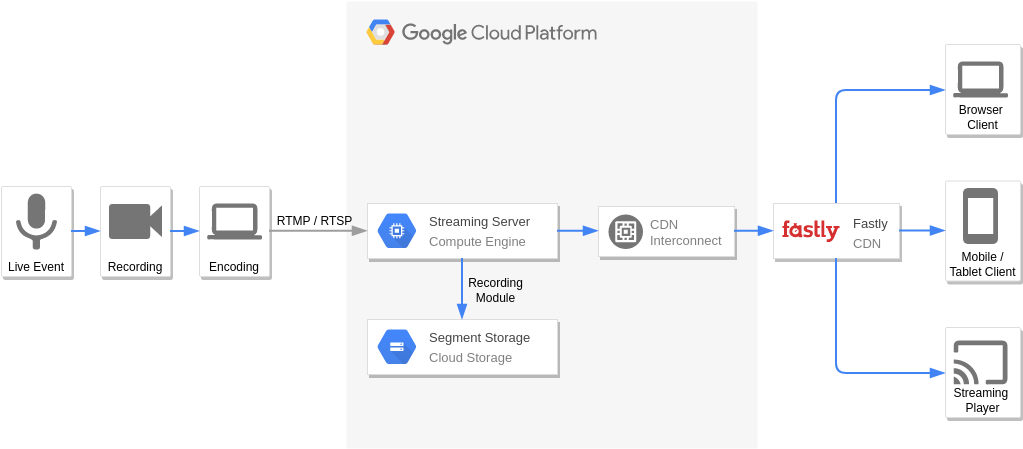
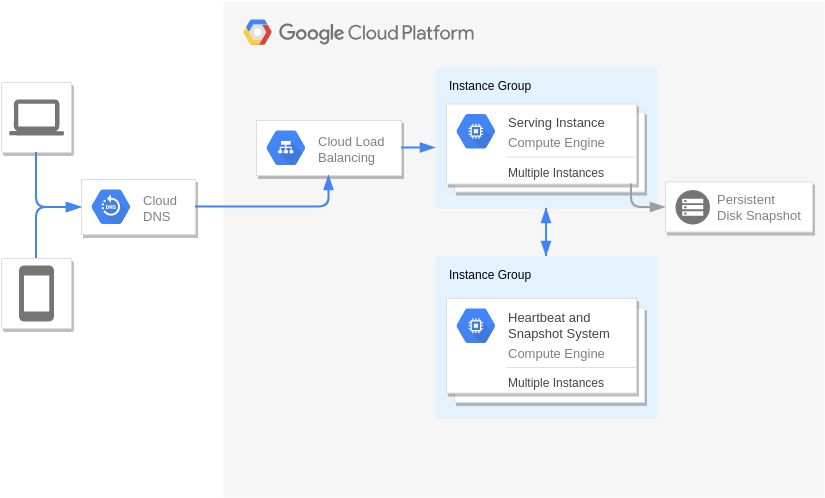
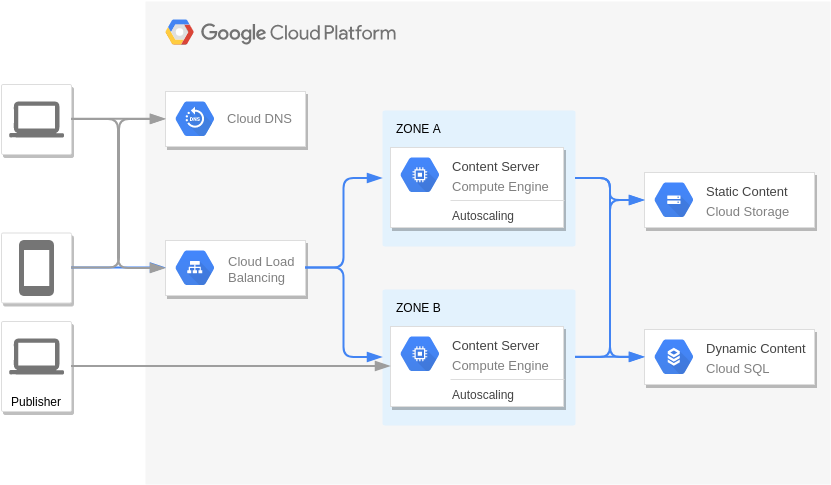
Notfallwiederherstellung Kaltstandby-Server
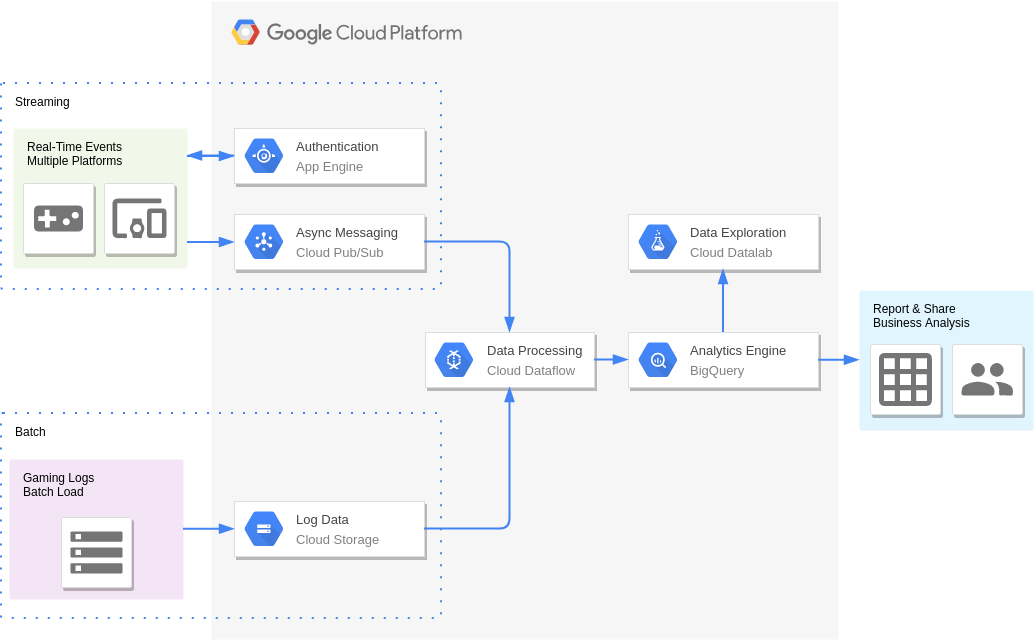
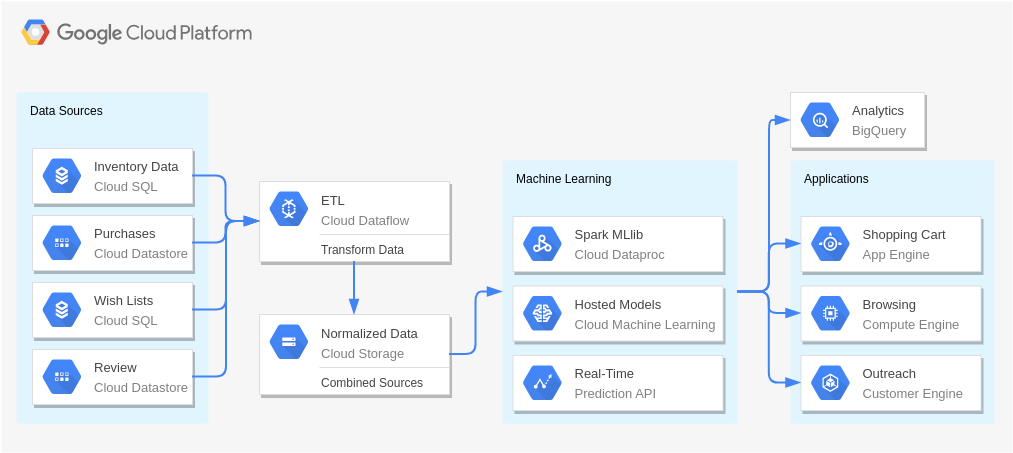
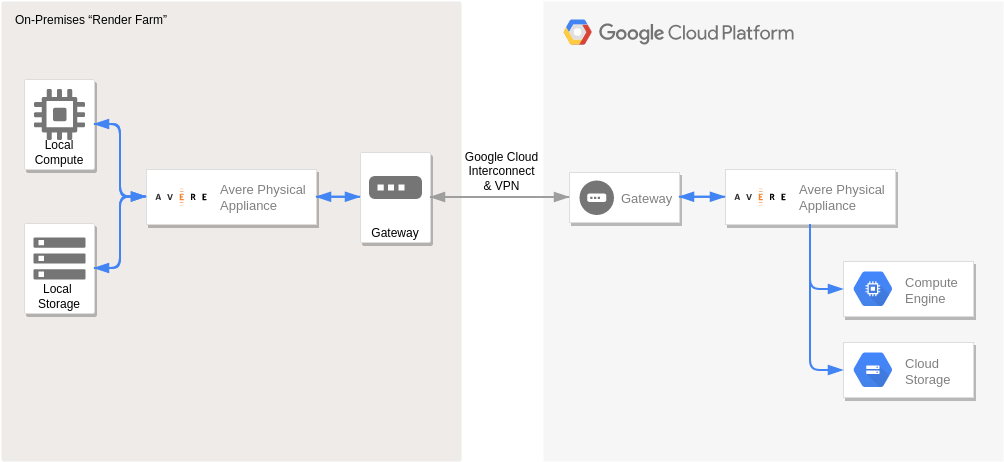
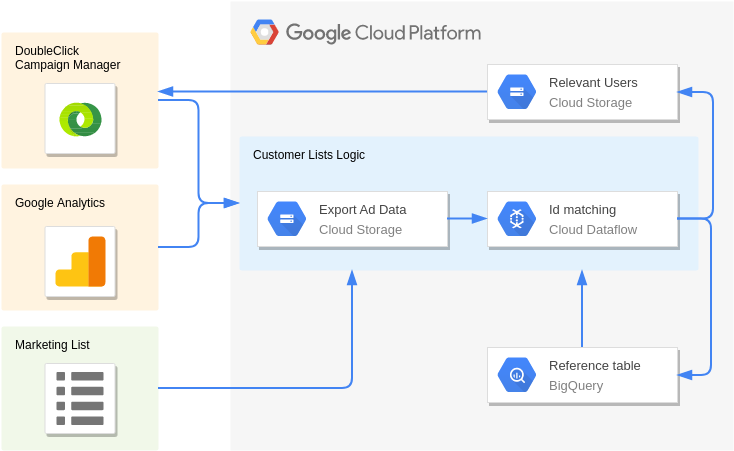

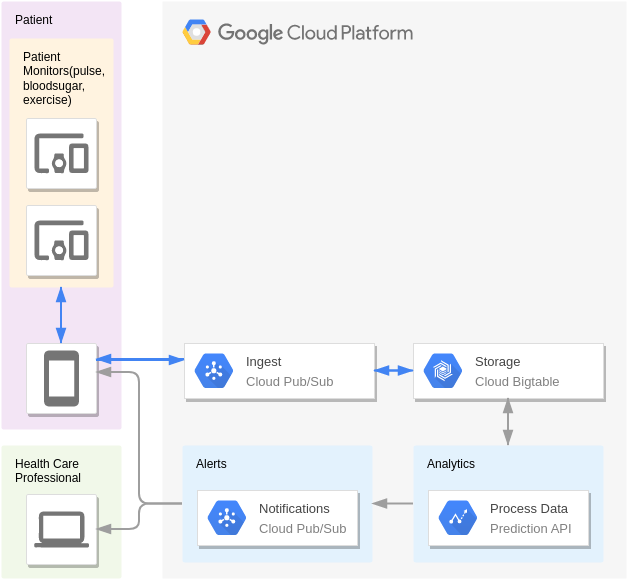
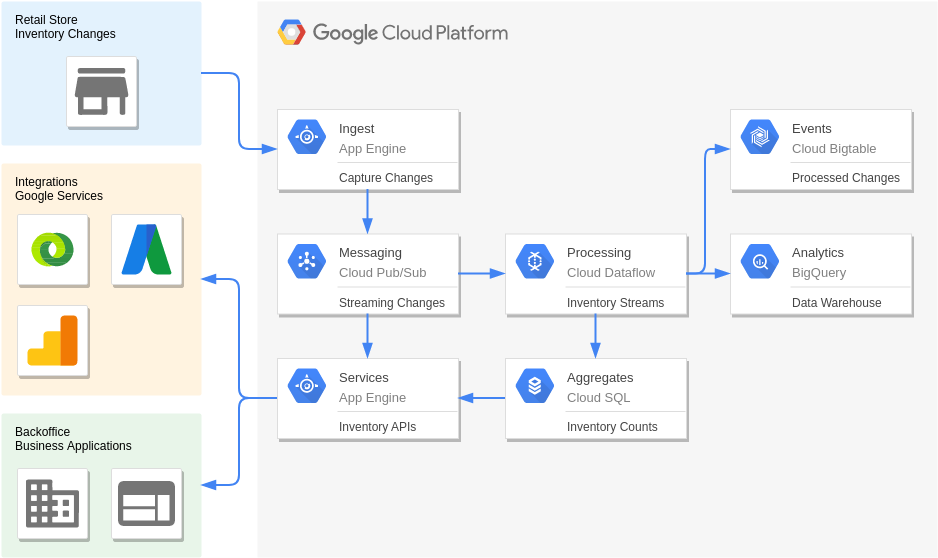
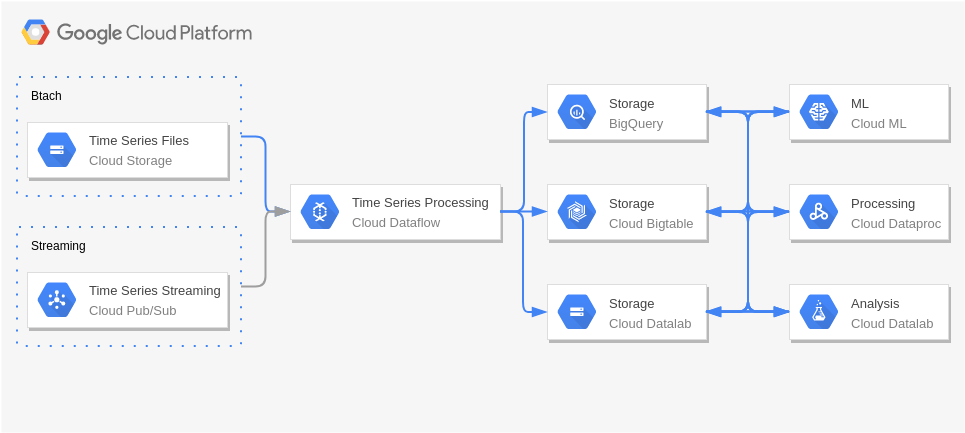
Echtzeit-Streamverarbeitung – Internet der Dinge
Analyse auf Seiten des Publishers
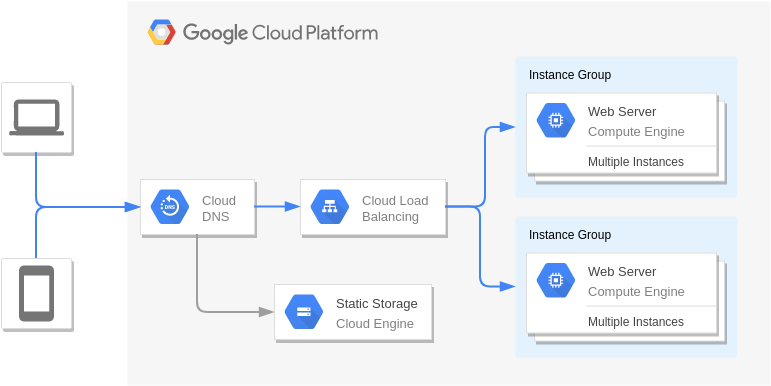
Notfallwiederherstellung Warme statische Website
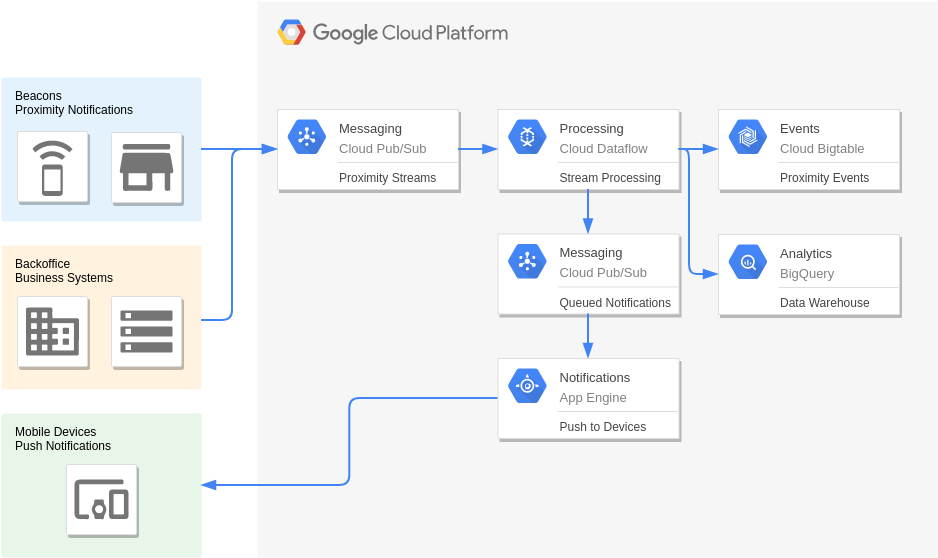
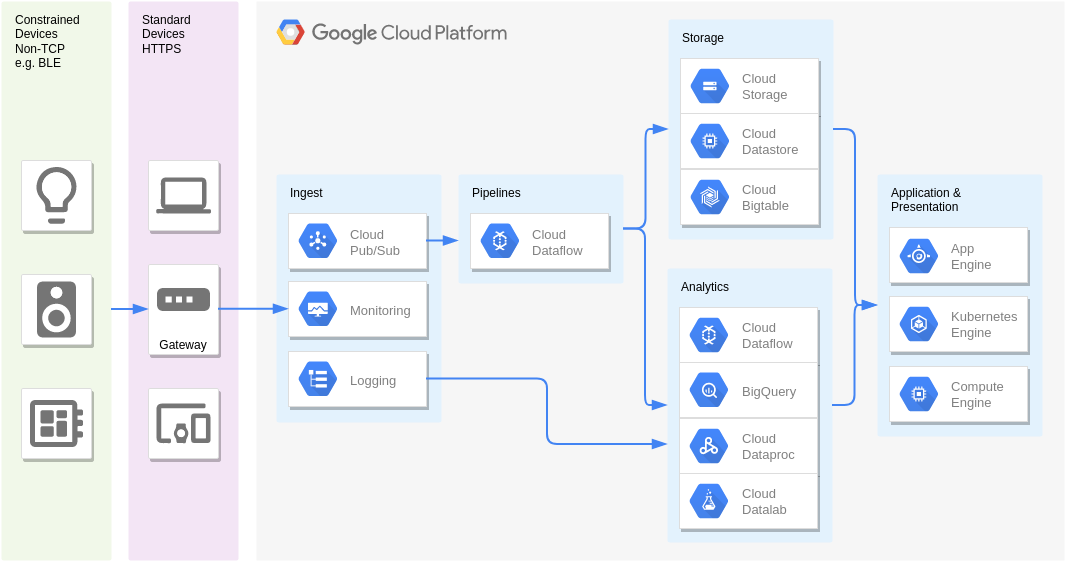
Eingabe und Verarbeitung von Sensordatenströmen
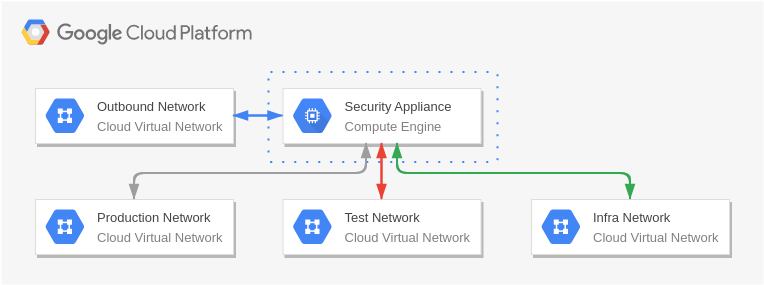
Mehrere Netzwerkschnittstellen
Fazit
Das Diagramm der Google Cloud Platform dient als visuelle Hilfsmittel, um das komplexe Netzwerk von Diensten und Ressourcen innerhalb von GCP zu entwirren. Es ist eine dynamische Darstellung, die sich kontinuierlich mit den Verbesserungen der Plattform weiterentwickelt. Wenn Unternehmen ihre Reise in die Cloud beginnen, wird das Verständnis dieses Diagramms zu einem entscheidenden Schritt, um das volle Potenzial der Google Cloud Platform auszuschöpfen. Mit seiner vielfältigen Angebotspalette und dem Engagement für Innovation bleibt GCP führend im Bereich der Cloud-Computing.
