Home » Archives for Admin » Page 12
-
Posted on September 21, 2023
-
/Under Diagram
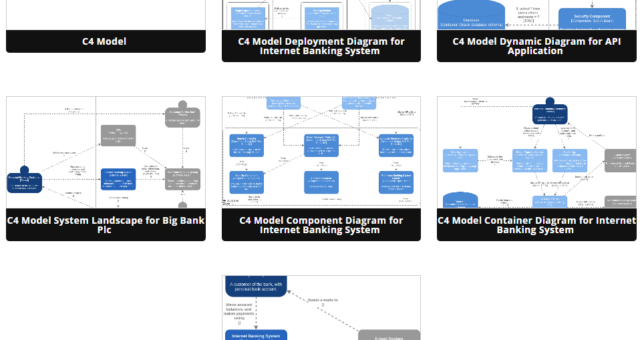
Introduction The C4 model is a powerful graphical notation technique for modeling the architecture of software systems. Developed by software architect Simon Brown, this method provides a clear and concise way to document and communicate software architecture. In this beginner's guide, we'll introduce you to the C4 model and show you how to learn it using the large collection of templates available in Visual Paradigm Online. What is the C4 Model? The C4 model is based on a structural decomposition of a software system into containers and components. It allows you to visualize…
continue reading →
-
Posted on September 21, 2023
-
/Under Diagram
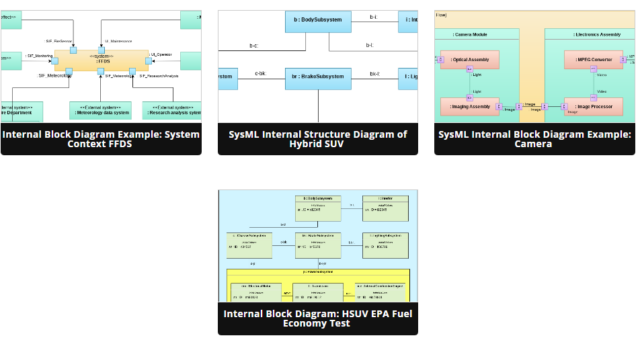
Introduction SysML, or the Systems Modeling Language, is a powerful tool used for modeling complex systems. Among its various diagram types, the SysML Internal Block Diagram (IBD) is particularly useful for depicting the internal structure of a system component. In this beginner's guide, we'll explore what a SysML Internal Block Diagram is, its purpose, and how to create one using Visual Paradigm Online's collection of templates. What is a SysML Internal Block Diagram? Block: In SysML, a Block is a fundamental building block that represents a system component. Blocks are typically depicted as…
continue reading →
-
Posted on September 21, 2023
-
/Under Diagram
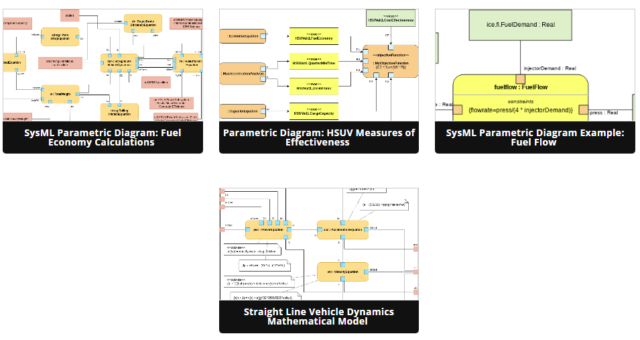
Introduction SysML (Systems Modeling Language) is a powerful tool for designing complex systems, and Parametric Diagrams are a valuable component of SysML that help model and analyze mathematical relationships within a system. In this beginner's guide, we will explore the fundamentals of Parametric Diagrams, their significance, and how to create them using visual modeling tools like Visual Paradigm Online, which offers a collection of templates to simplify the process. What are Parametric Diagrams? Parametric Diagrams in SysML are graphical representations used to illustrate mathematical relationships, constraints, and equations among various components or elements…
continue reading →
-
Posted on September 21, 2023
-
/Under Diagram
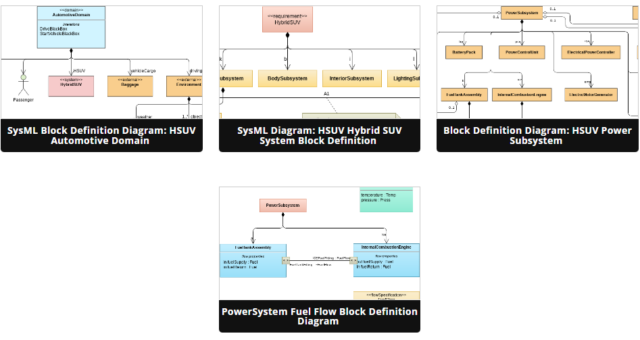
Introduction SysML (Systems Modeling Language) is a powerful tool used for modeling complex systems. One of the fundamental diagram types in SysML is the Block Definition Diagram (BDD). BDDs are used to define the structural aspects of a system, representing the main building blocks or components and their relationships. In this beginner's guide, we will introduce you to Block Definition Diagrams and how to use them effectively, including the use of Visual Paradigm Online's large collection of templates to learn by examples. What is a Block Definition Diagram? A Block Definition Diagram (BDD)…
continue reading →
-
Posted on September 21, 2023
-
/Under Diagram
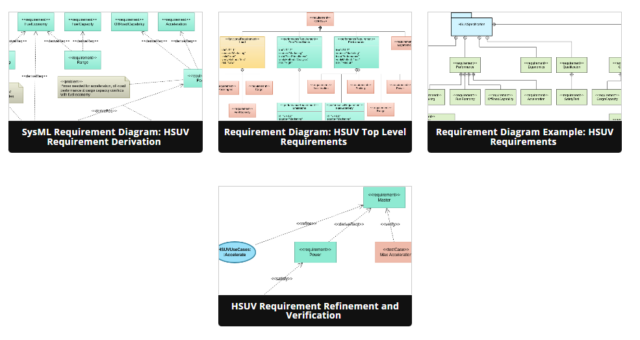
Introduction SysML (Systems Modeling Language) is a powerful tool for visualizing, specifying, and documenting complex systems. One essential aspect of system modeling is managing requirements effectively. Requirement diagrams in SysML help you capture, organize, and trace system requirements, making it easier to understand and communicate system specifications. In this beginner's guide, we will explore Requirement Diagrams in SysML and how to create them using Visual Paradigm Online with the help of a collection of templates. What is a Requirement Diagram? A Requirement Diagram in SysML is a graphical representation that allows you to…
continue reading →
-
Posted on September 21, 2023
-
/Under Diagram
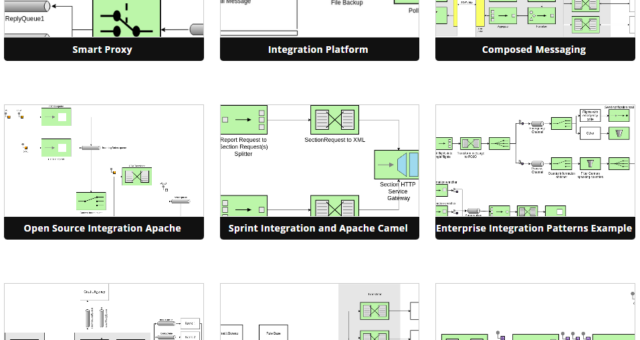
Introduction Enterprise Integration Patterns (EIP) provide a set of guidelines and best practices for integrating different software systems and applications within an enterprise. These patterns help organizations create efficient, reliable, and maintainable integration solutions. To help you understand and apply EIP effectively, this beginner's guide will introduce you to EIP diagrams and how you can learn by using a large collection of templates available in Visual Paradigm Online. Understanding Enterprise Integration Patterns (EIP) EIP was introduced in the book written by Gregor Hohpe and Bobby Woolf, which outlines 65 patterns for enterprise application…
continue reading →
-
Posted on September 21, 2023
-
/Under Diagram
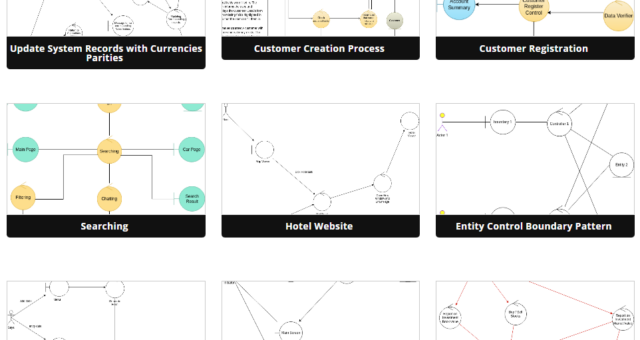
Introduction Robustness diagrams are a valuable tool in software engineering for modeling the interactions between different parts of a software system. They help you understand how different components or objects in a system collaborate to achieve specific functionality. In this beginner's guide, we will introduce you to robustness diagrams and show you how to create them using Visual Paradigm Online, a powerful online diagramming tool. What is a Robustness Diagram? A robustness diagram is a dynamic model used to illustrate the interaction between external actors (e.g., users, other systems, or devices) and the…
continue reading →
-
Posted on September 21, 2023
-
/Under Diagram
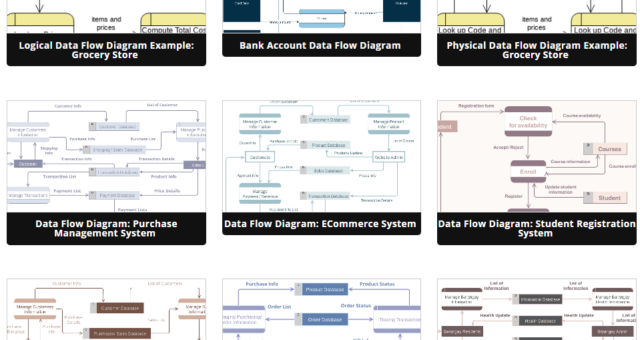
Introduction Data Flow Diagrams (DFD) are a powerful visual tool for representing and analyzing the flow of data within a system or process. They help in understanding how data moves through different components and processes, making it easier to identify bottlenecks, inefficiencies, and opportunities for improvement. In this beginner's guide, we will introduce you to Data Flow Diagrams and show you how to create them using Visual Paradigm Online, a versatile diagramming tool with a large collection of templates. What is a Data Flow Diagram (DFD)? A Data Flow Diagram is a graphical…
continue reading →
-
Posted on September 21, 2023
-
/Under Diagram
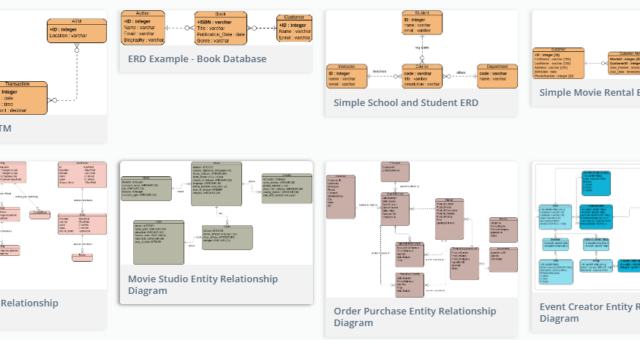
Introduction An Entity-Relationship (ER) diagram is a powerful tool used in database design to visualize and model the relationships between entities in a database system. ER diagrams help you understand the structure of a database and how different entities relate to each other. This beginner's guide will introduce you to the basics of ER diagrams and show you how to learn by examples using the large collection of templates available in Visual Paradigm Online, a popular diagramming tool. 1. What is an ER Diagram? An ER diagram is a visual representation of a…
continue reading →
-
Posted on September 21, 2023
-
/Under Diagram
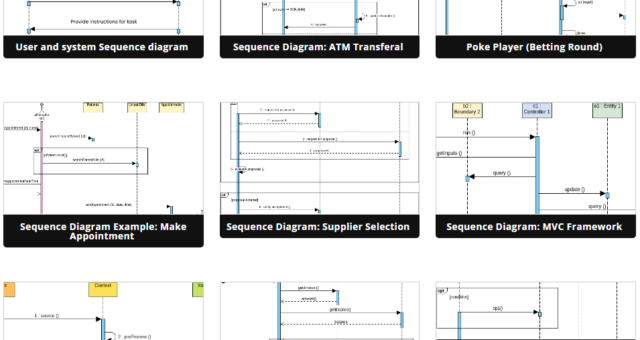
Introduction Sequence diagrams are powerful tools in software development for visualizing the interactions between objects or components in a system over time. They help you understand how various parts of your system communicate and collaborate. In this beginner's guide, we'll introduce you to sequence diagrams and show you how to create them using Visual Paradigm Online, a user-friendly online diagramming tool with a collection of templates that make learning easy through practical examples. What is a Sequence Diagram? A sequence diagram is a type of UML (Unified Modeling Language) diagram that represents the…
continue reading →