




From Features to Value: Mastering Use-Case Slicing for Agile Success
Introduction
In the fast-paced world of software development, Agile methodologies have become the gold standard for delivering high-quality products that meet evolving user needs. Yet, despite widespread adoption of Agile practices, many teams continue to struggle with a fundamental challenge: how to break down complex requirements into work items that are both small enough to complete within a sprint and meaningful enough to deliver genuine value to users.
The traditional approach of decomposing features into technical tasks or UI screens often leads to what experts call “vertical dicing”—creating backlog items that represent mere steps toward value rather than value itself. Teams find themselves building piece by piece, only to discover that users cannot derive any benefit until all pieces are assembled. This anti-pattern undermines the very promise of Agile: delivering working software frequently and continuously providing value.
Enter use-case slicing, a transformative concept from Use-Case 2.0 that offers a systematic approach to horizontal decomposition. By slicing through requirements, design, implementation, and testing simultaneously, teams can identify thin vertical slices of functionality that deliver end-to-end user value in each increment. This article explores the theory and practice of use-case slicing, demonstrating how it bridges the gap between high-level user goals and granular development work while maintaining the Agile principle of continuous value delivery.
Through comprehensive analysis, real-world examples, and practical guidance, we will examine why use-case slicing represents a critical evolution in Agile planning and how teams can leverage this approach to achieve better outcomes, reduce risk, and maximize return on investment.
The Slicing Imperative: Why It Matters
Most systems require extensive work before becoming usable. They have many requirements with varying importance and priority, and many dependencies exist between them. Attempting to build such a system in one go is a recipe for failure. The system must be built in slices, each delivering clear value to users.
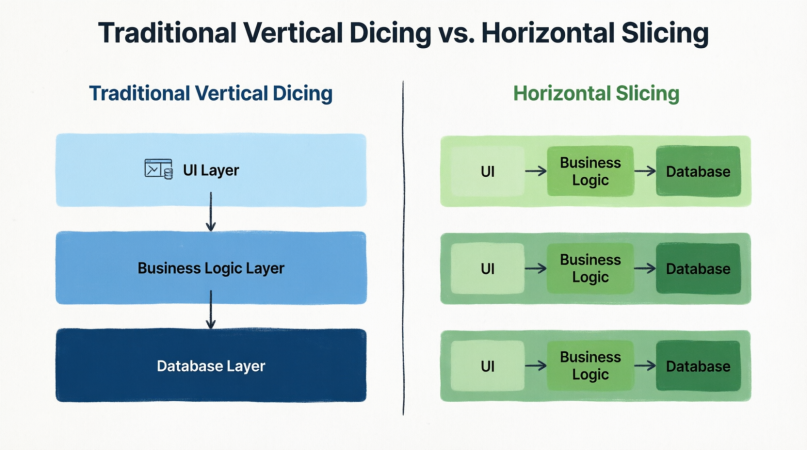
Figure 1: Traditional Vertical Dicing vs. Horizontal Slicing Approach
The recipe is straightforward:
-
Identify the most useful thing the system must do
-
Slice it into thinner, manageable slices
-
Define test cases representing acceptance of those slices
-
Choose the most central slice that travels through the entire concept
-
Estimate it as a team and start building
This approach fundamentally shifts the focus from “what features can we build?” to “what value can we deliver?” By ensuring each slice provides tangible benefit, teams maintain stakeholder engagement, validate assumptions early, and create a sustainable pace of delivery.
Horizontal Slicing vs. Vertical Dicing: A Critical Distinction
The distinction between proper slicing and the common anti-pattern of “dicing” is crucial for Agile success.
The Anti-Pattern: Vertical Dicing
When teams do not use a use-case slice strategy, they often create product backlog items by “dicing” the application vertically into “baby steps towards value.” This feels easy and natural because:
-
Product owners can easily write small user stories for these steps
-
UI designers know how to design screen maps for each step
-
Developers and testers can independently develop and test these small use-case steps
However, this approach creates two serious problems:
-
Users get nothing of value until all steps for the whole use case have been developed and tested
-
Funders receive the worst possible ROI—big up-front investment with no return until the very end
This breaks the golden rule of Agile: each sprint should produce something that could be released.
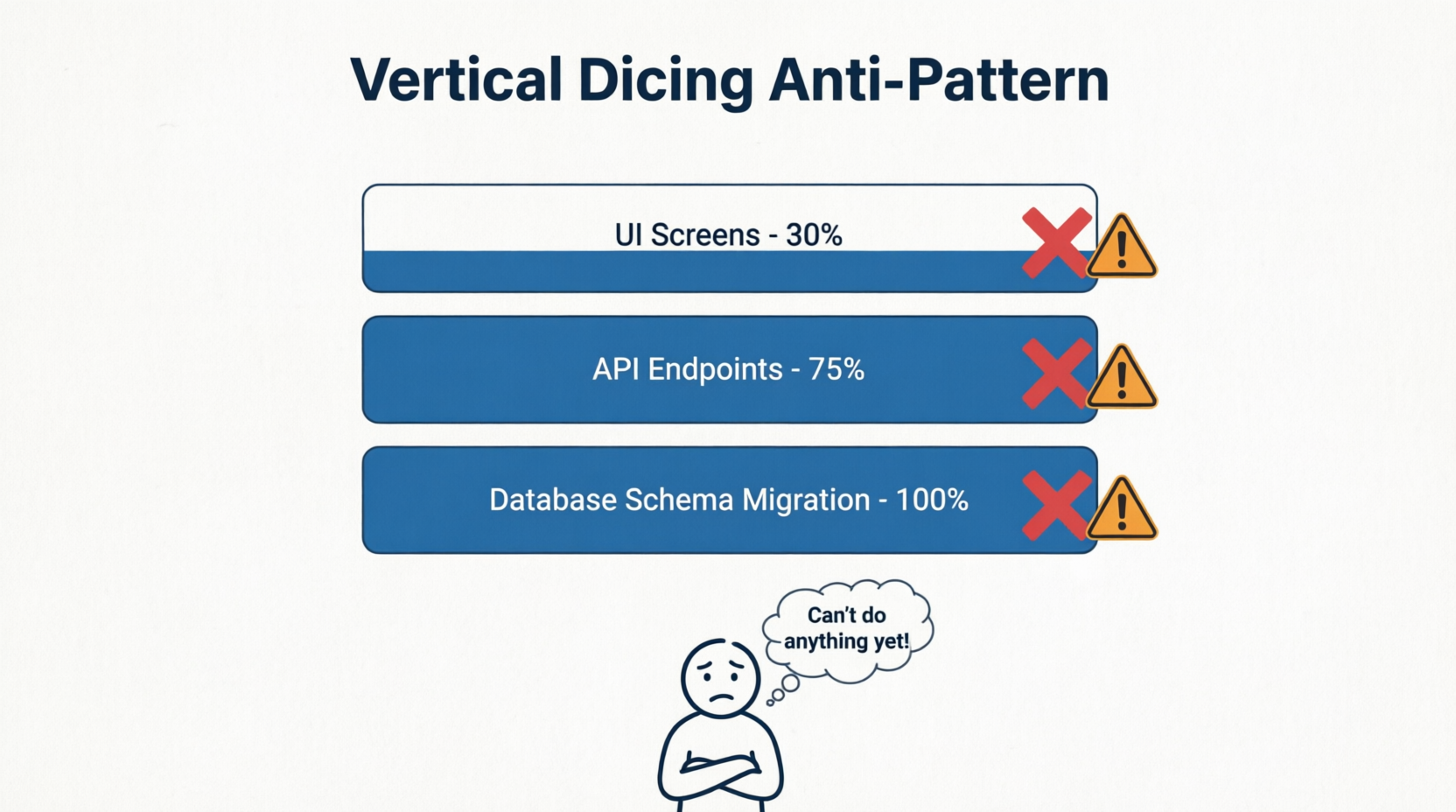
Figure 2: The Vertical Dicing Anti-Pattern – Steps Without Value
[Image placeholder illustrating how vertical dicing creates incomplete functionality that provides no user value until fully assembled]
The Correct Approach: Horizontal Slicing
Proper use-case slicing is “horizontal”—each slice represents an end-to-end interaction that enables a subset of users to achieve their goal. This approach:
-
Delivers genuine value in every increment
-
Enables early feedback from real users
-
Reduces project risk by proving value early
-
Provides better ROI for funders
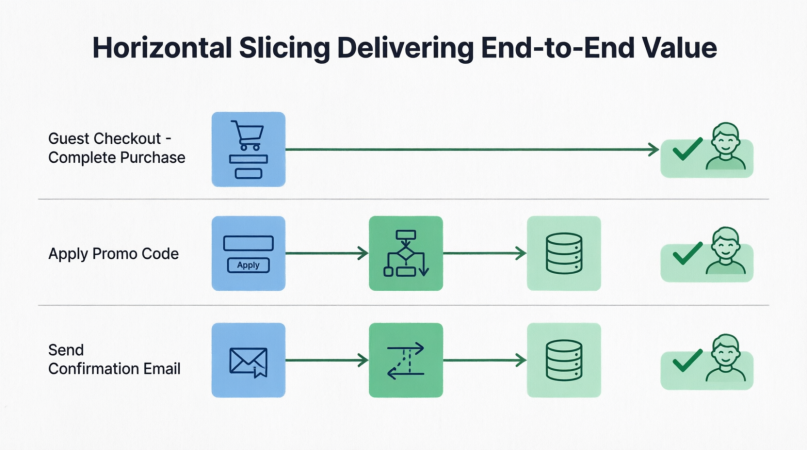
Figure 3: Horizontal Slicing Delivering End-to-End Value
The visual difference is striking: where vertical dicing produces disconnected technical components, horizontal slicing creates cohesive user experiences that stand on their own. Each slice tells a complete story from the user’s perspective.
How Slicing Works in Practice
Step 1: Identify Use Cases
Begin by creating a use-case model diagram that shows:
-
Who the users are (actors)
-
What goals they need to achieve
-
The scope and purpose of the solution
For example, in a student loan application system, the primary use case would be “Apply for Student Loan.”
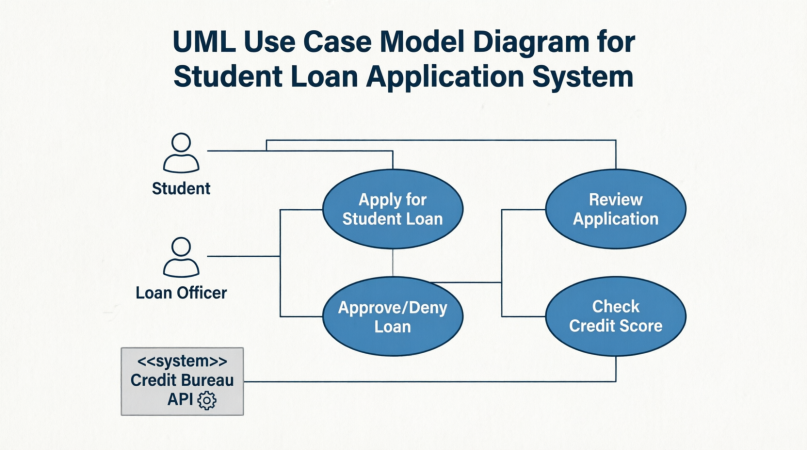
Figure 4: Use Case Model Diagram Showing Actors and Goals
This big-picture view ensures everyone understands the system’s purpose and helps identify which use cases deliver the most critical value. It serves as a roadmap for prioritization and prevents teams from getting lost in technical details before understanding user needs.
Step 2: Identify Stories
A use case covers many related stories of varying importance and priority. Stories represent specific ways to achieve the use case goal—both how to succeed and how to handle problems that occur along the way.
For the “Borrow Book” use case in a library system, stories might include:
-
Borrow Book successfully (basic flow)
-
Max borrow record reached (exception flow)
-
Borrower owes fine (exception flow)
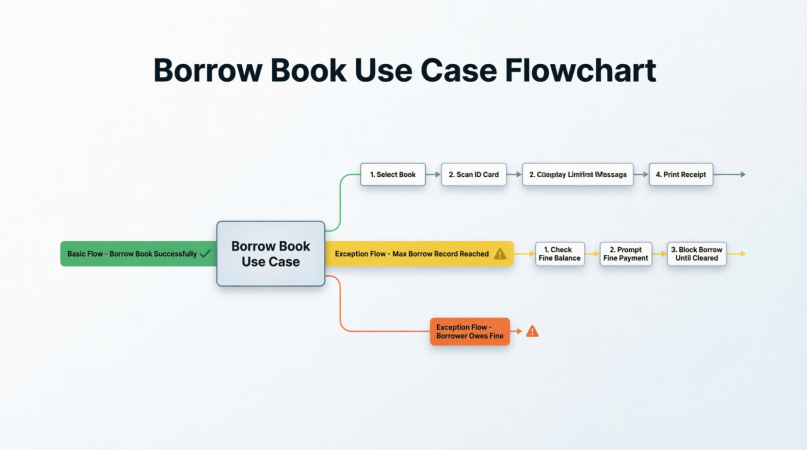
Figure 5: Use Case Stories Mapping Basic and Exception Flows
[Image placeholder showing a flowchart or table mapping different story paths within a single use case, highlighting main success scenario and alternative/exception paths]
Identifying these stories requires collaboration between product owners, developers, testers, and domain experts. The goal is to capture not just the happy path but also the realistic scenarios users will encounter, including error conditions and edge cases.
Step 3: Create Slices
A use-case slice is one or more stories selected from a use case to form a work item that is of clear value to the customer. Slicing should be done collaboratively with stakeholders to ensure every slice delivers value.
From the “Borrow Book” use case, slices might be:
| Use Case | Use Case Stories | Use Case Slice |
|---|---|---|
| Borrow Book | Borrow Book (Basic) | Borrow Book success |
| Borrow Book | Max borrow record reached | Borrow Book failed |
| Borrow Book | Borrower owes fine | Borrow Book failed |
Each slice acts as a placeholder for all the work required—requirements, design, implementation, and testing—to complete the selected stories.
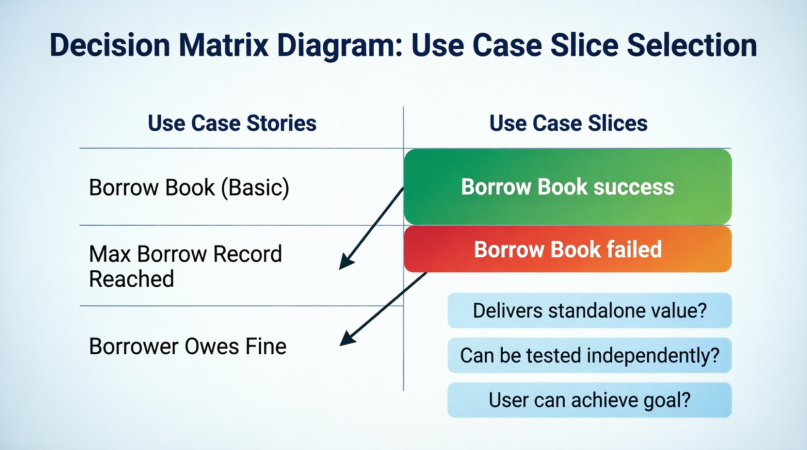
Figure 6: Use Case Slice Selection Matrix
The key insight here is that a slice doesn’t need to include all stories from a use case. Instead, it should include enough stories to deliver a coherent, valuable experience. Sometimes a single story constitutes a complete slice; other times, multiple stories must be combined to create value.
Step 4: Assign to Sprints
Slices can be sized to fit a sprint or Kanban column. A slice may contain one story or multiple stories—the slicing mechanism is flexible enough to create slices as large or small as needed to drive development.
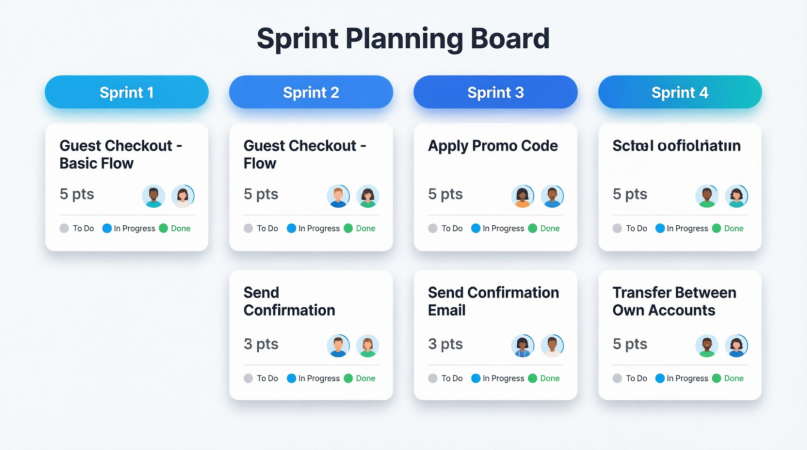
Figure 7: Sprint Planning with Use-Case Slices
This flexibility allows teams to adapt to their velocity and capacity while maintaining the principle that each increment delivers value. Teams can adjust slice granularity based on complexity, risk, and stakeholder priorities.
Real-World Examples
E-Commerce Platform: Guest Checkout
In a use-case slice approach, a “Guest Checkout” feature might be sliced as:
Use Case: Checkout
-
Slice 1: Guest adds item to cart and completes purchase (basic flow)
-
Value: Guest can buy without creating an account
-
Test: Guest completes checkout and receives confirmation
-
-
Slice 2: Guest applies promo code during checkout (alternative)
-
Value: Discount functionality
-
Test: Promo code applies discount to cart total
-
-
Slice 3: Guest receives email confirmation (alternative)
-
Value: Order visibility for guest
-
Test: Confirmation email delivered with correct details
-
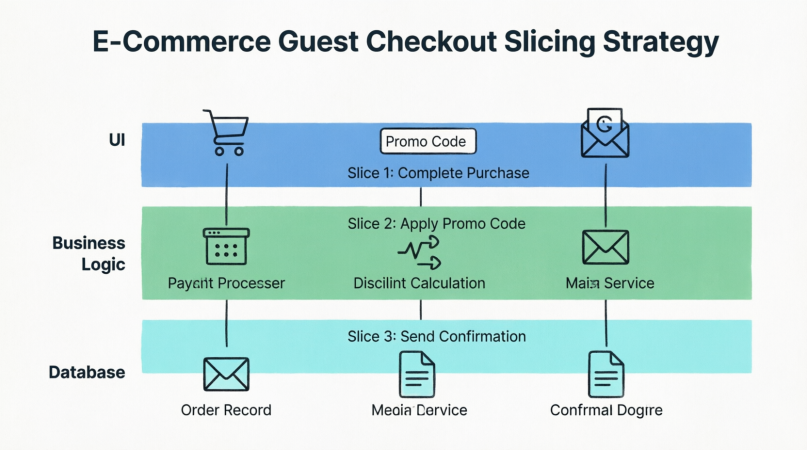
Figure 8: E-Commerce Guest Checkout Slicing Strategy
Notice how each slice delivers standalone value. After Slice 1, guests can actually make purchases. After Slice 2, they can save money. After Slice 3, they have order records. Each increment improves the experience without requiring subsequent slices to be functional.
Mobile Banking App: Money Transfer
Use Case: Transfer Funds
-
Slice 1: Basic transfer between own accounts
-
Value: User moves money internally
-
Test: Transfer appears in both account balances
-
-
Slice 2: Transfer to other customer (alternative)
-
Value: User sends money externally
-
Test: Recipient receives funds
-
-
Slice 3: Insufficient funds handling (exception)
-
Value: Graceful error handling
-
Test: Error message appears; no funds transferred
-
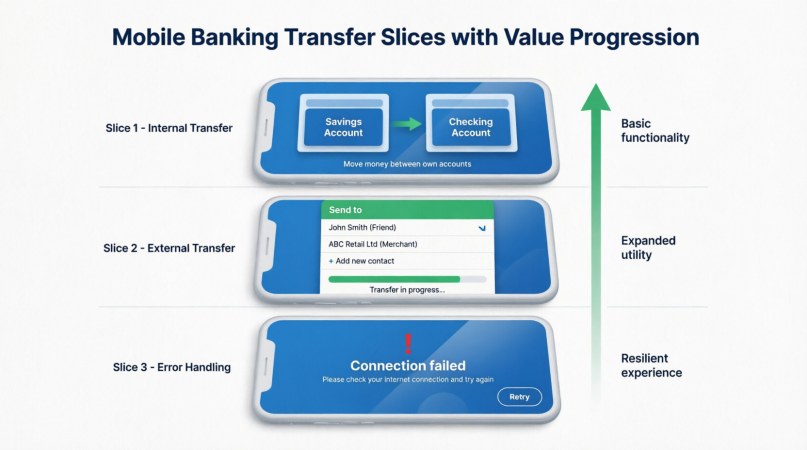
Figure 9: Mobile Banking Transfer Slices with Value Progression
This example demonstrates how exception handling can be its own valuable slice. While it might seem counterintuitive to prioritize error scenarios, graceful failure is crucial for user trust and satisfaction. Users who encounter clear, helpful error messages have a better experience than those who face confusing system crashes.
The Impact on Backlog Management
When used with Scrum, use-case slices become candidate product backlog items. This provides several benefits:
Clear Value Context
The use-case model provides a “big, visible indicator” of the solution’s purpose, showing:
-
Who the users are
-
What goals they need to achieve
-
The value context of each backlog item
This enables objective prioritization: “Focusing first on the most important use cases enables the ‘top of the backlog’ to be refined ready to progress first.”
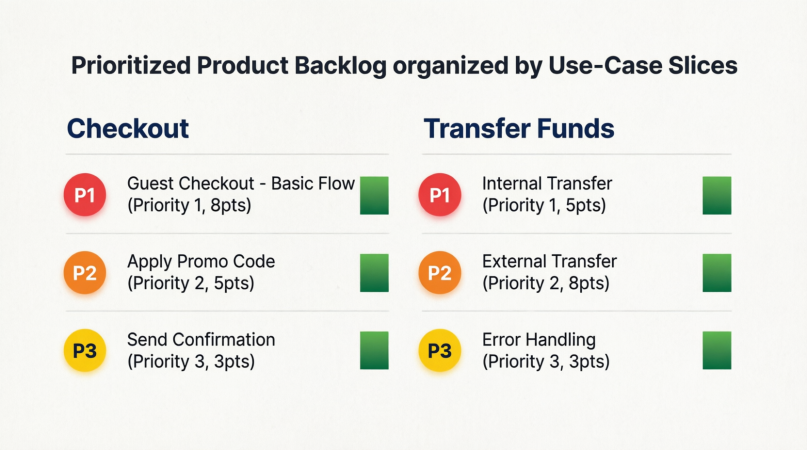
Figure 10: Prioritized Product Backlog Organized by Use-Case Slices
Without this context, backlog items appear as isolated features competing for attention. With use-case slicing, the relationship between items becomes clear, and prioritization decisions align with strategic user goals rather than tactical convenience.
Independent Testing and Release
Each slice can be independently developed and tested. This supports acceptance-test-driven development, where test cases help define and validate each slice.
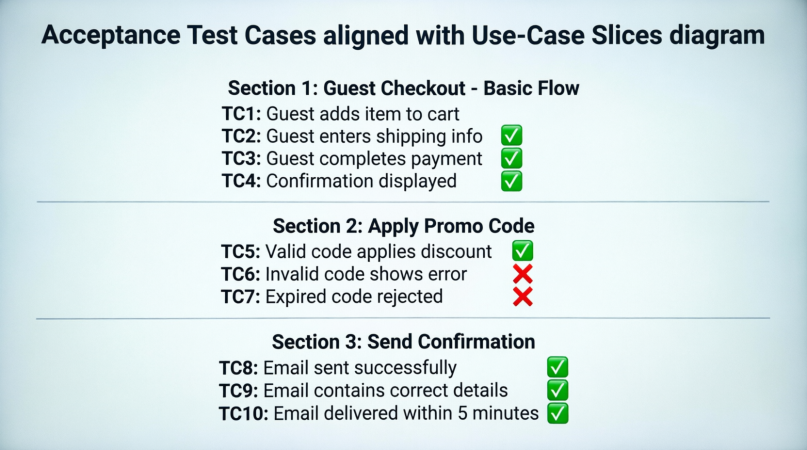
Figure 11: Acceptance Test Cases Aligned with Use-Case Slices
This alignment ensures that testing focuses on user value rather than technical correctness alone. When a slice passes its acceptance tests, stakeholders can confidently say it delivers the intended value.
Just-in-Time Refinement
Teams can split product backlog items into thinner slices as needed, with each still delivering new end-user value. The guidance is clear: “Don’t slice up all the use cases at once. Just identify enough slices to meet the immediate needs of the team.”
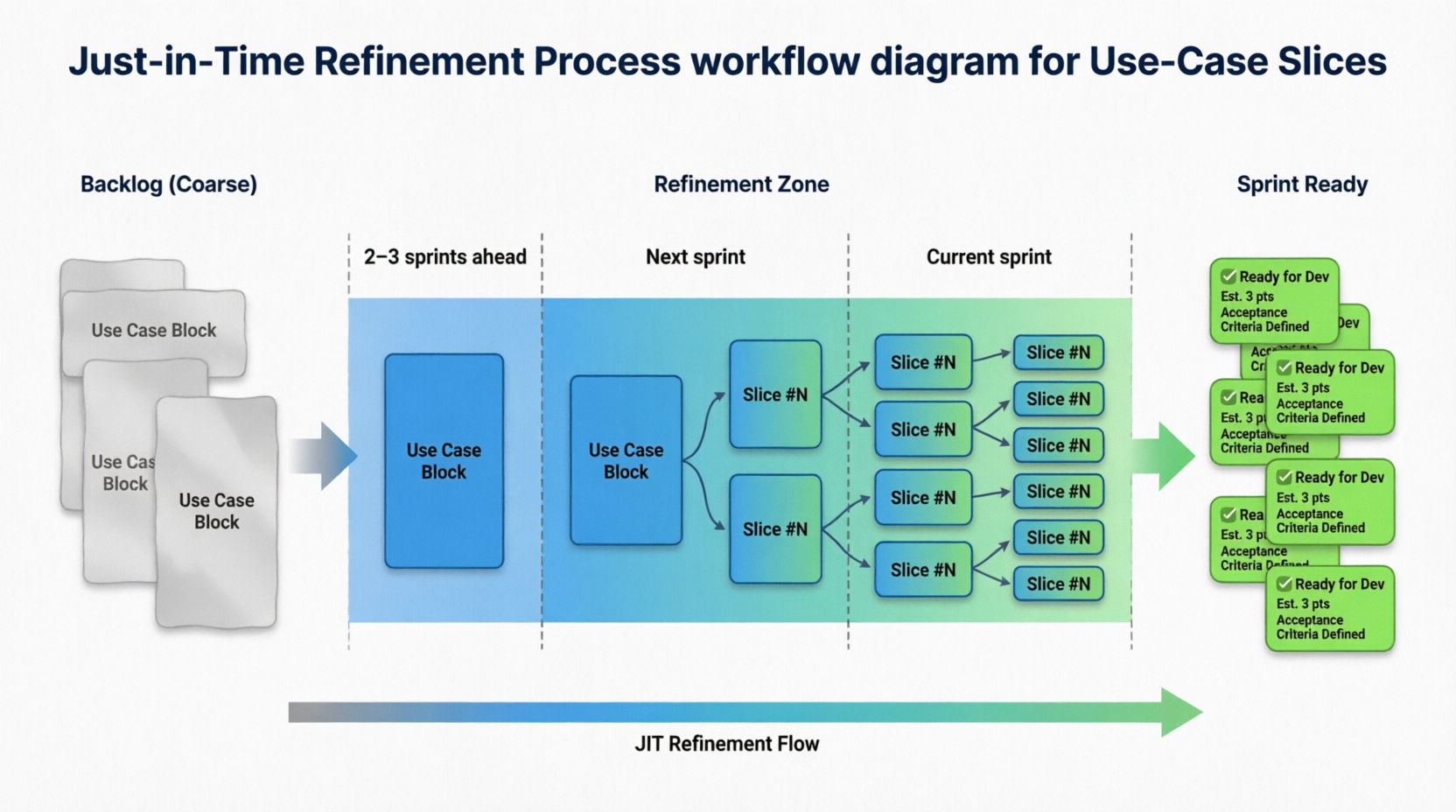
Figure 12: Just-in-Time Refinement Process for Use-Case Slices
This approach prevents waste from over-planning while ensuring the team always has well-defined, valuable work ready. It embodies the Agile principle of responding to change over following a plan.
Slicing in the Age of AI
It’s worth noting that while slicing was designed for manual development where human developers need small, manageable work items, AI-assisted development changes this equation. When AI generates the implementation, teams can work with the whole use case at once rather than requiring slices.
However, the slicing concept remains valuable for:
-
Planning and estimation: Understanding the scope of work
-
Prioritization: Determining what delivers the most value first
-
Risk management: Delivering the most critical functionality early
-
Stakeholder communication: Showing progress in tangible value terms
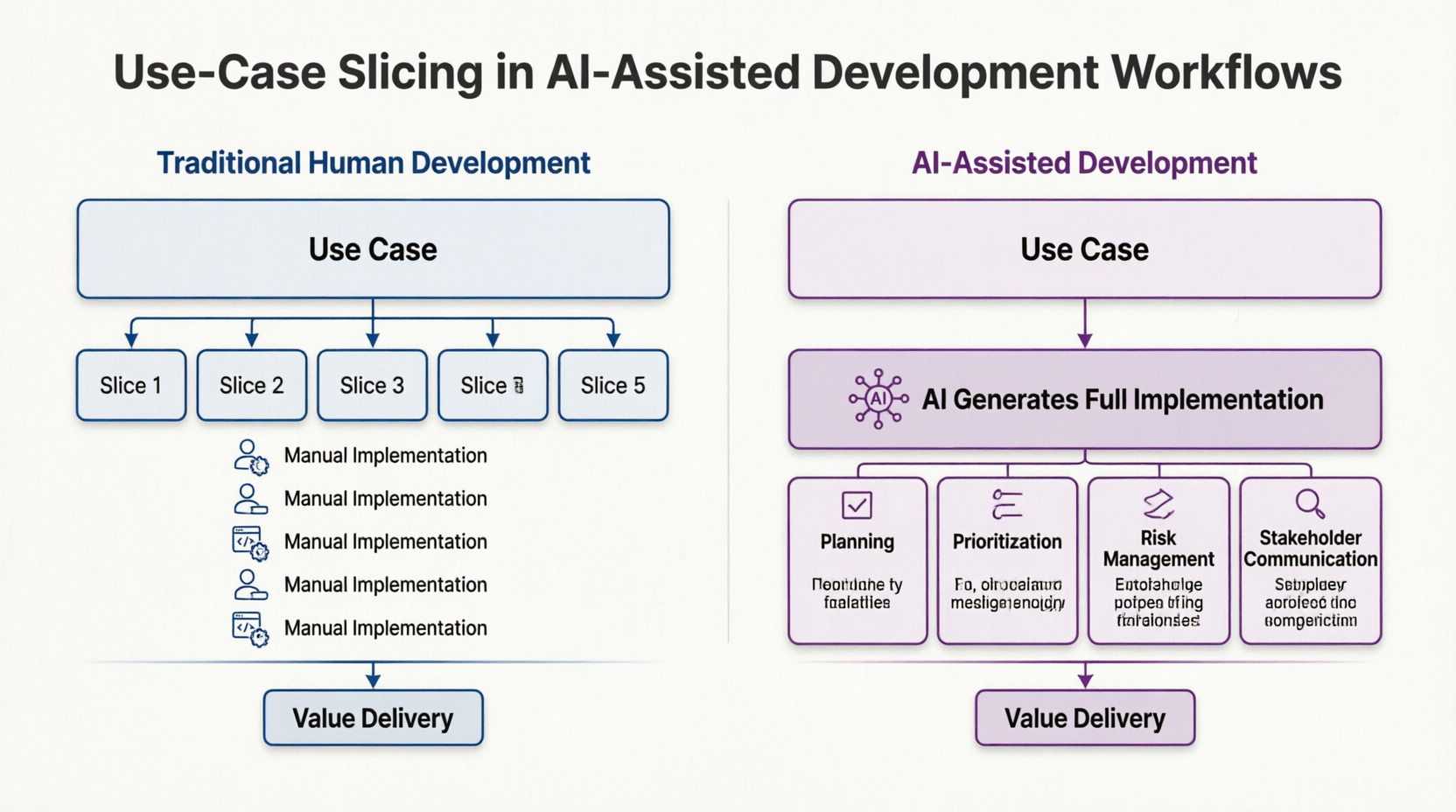
Figure 13: Use-Case Slicing in AI-Assisted Development Workflows
Even with AI acceleration, the fundamental challenge of deciding what to build first remains. Slicing provides a framework for making these decisions based on value rather than technical convenience. Moreover, stakeholders still need to see incremental progress, and slices provide the units of demonstration and feedback that keep projects aligned with user needs.
Case Study: Transforming a Legacy System Migration
To illustrate the power of use-case slicing in practice, consider a financial services company migrating from a legacy loan processing system to a modern cloud-based platform.
The Challenge
The legacy system handled hundreds of loan types with complex business rules accumulated over 20 years. The migration project involved:
-
Migrating 50,000+ active loans
-
Implementing new regulatory compliance requirements
-
Modernizing the user interface for loan officers
-
Integrating with new credit scoring APIs
Initial attempts at migration followed a traditional vertical approach: migrate the database schema first, then the business logic layer, then the UI. After six months and significant investment, the team had migrated infrastructure but could not process a single loan end-to-end. Stakeholders grew anxious, and the project faced cancellation.
The Slicing Intervention
A new team lead introduced use-case slicing, starting with a use-case modeling workshop involving loan officers, compliance experts, and developers. They identified five core use cases:
-
Process New Loan Application
-
Review and Approve Loan
-
Service Existing Loan (payments, modifications)
-
Generate Regulatory Reports
-
Handle Loan Default
Rather than attempting to migrate everything, they selected “Process New Loan Application” as the highest-value use case and began slicing it horizontally.
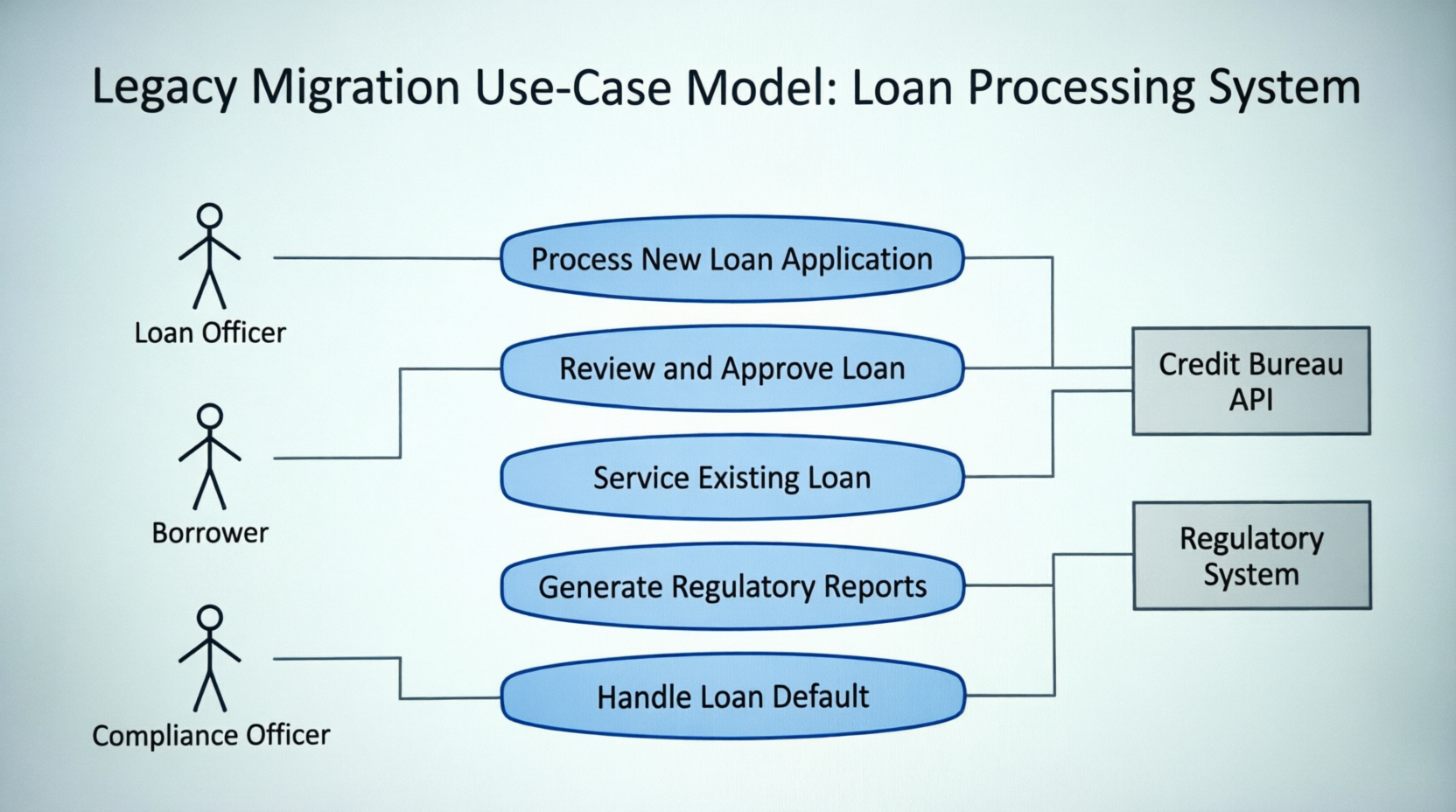
Figure 14: Legacy Migration Use-Case Model
Slice Definition and Execution
The team defined the following slices for “Process New Loan Application”:
Slice 1: Simple Personal Loan Application
-
Support basic personal loans with standard documentation
-
Integrate with one credit bureau API
-
Manual approval workflow
-
Value: Loan officers can process the most common loan type (60% of volume)
-
Duration: 3 weeks
Slice 2: Automated Decisioning for Low-Risk Applications
-
Add automated approval for applications meeting predefined criteria
-
Integrate additional data sources for risk assessment
-
Value: Reduce processing time from days to minutes for 40% of applications
-
Duration: 2 weeks
Slice 3: Complex Loan Types (Auto, Mortgage)
-
Extend to support auto and mortgage loans with specialized documentation
-
Add co-applicant support
-
Value: Cover remaining 40% of application volume
-
Duration: 4 weeks
Slice 4: Exception Handling and Edge Cases
-
Handle incomplete applications, missing documents, special circumstances
-
Add escalation workflows
-
Value: Robust system that handles real-world complexity
-
Duration: 3 weeks
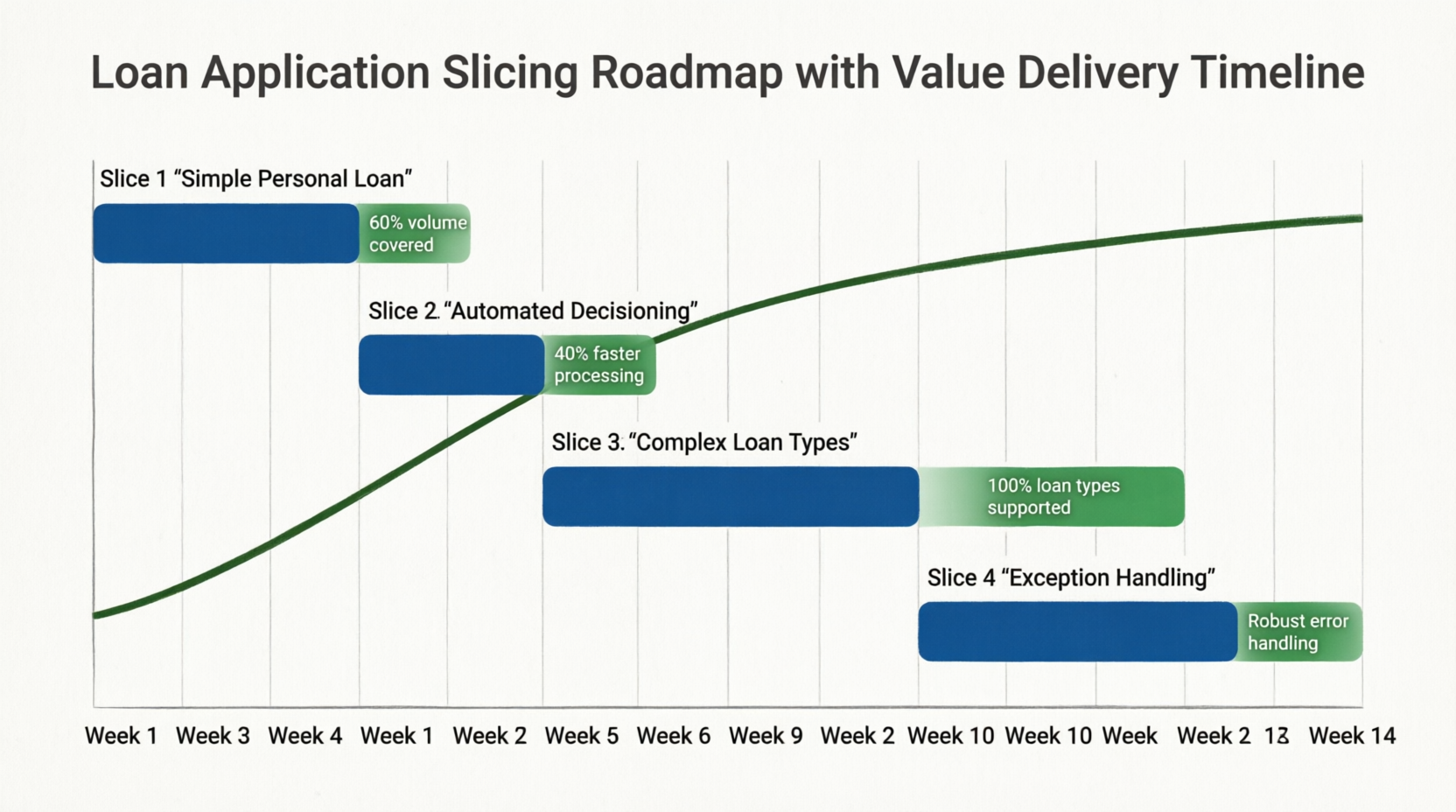
Figure 15: Loan Application Slicing Roadmap with Value Delivery Timeline
Results and Lessons Learned
After completing Slice 1, the team demonstrated a working system that processed real loan applications. Loan officers provided immediate feedback on usability issues, which were addressed in subsequent slices. By the end of Slice 2, the system was processing 40% of new applications with automated decisions, generating measurable efficiency gains.
Key outcomes included:
-
Early value delivery: Working functionality available after 3 weeks instead of 6+ months
-
Stakeholder confidence: Regular demonstrations built trust and secured continued funding
-
Risk reduction: Technical challenges discovered early when course correction was still feasible
-
User adoption: Loan officers trained incrementally as new capabilities became available
-
ROI realization: Efficiency gains began accumulating from week 4 onward
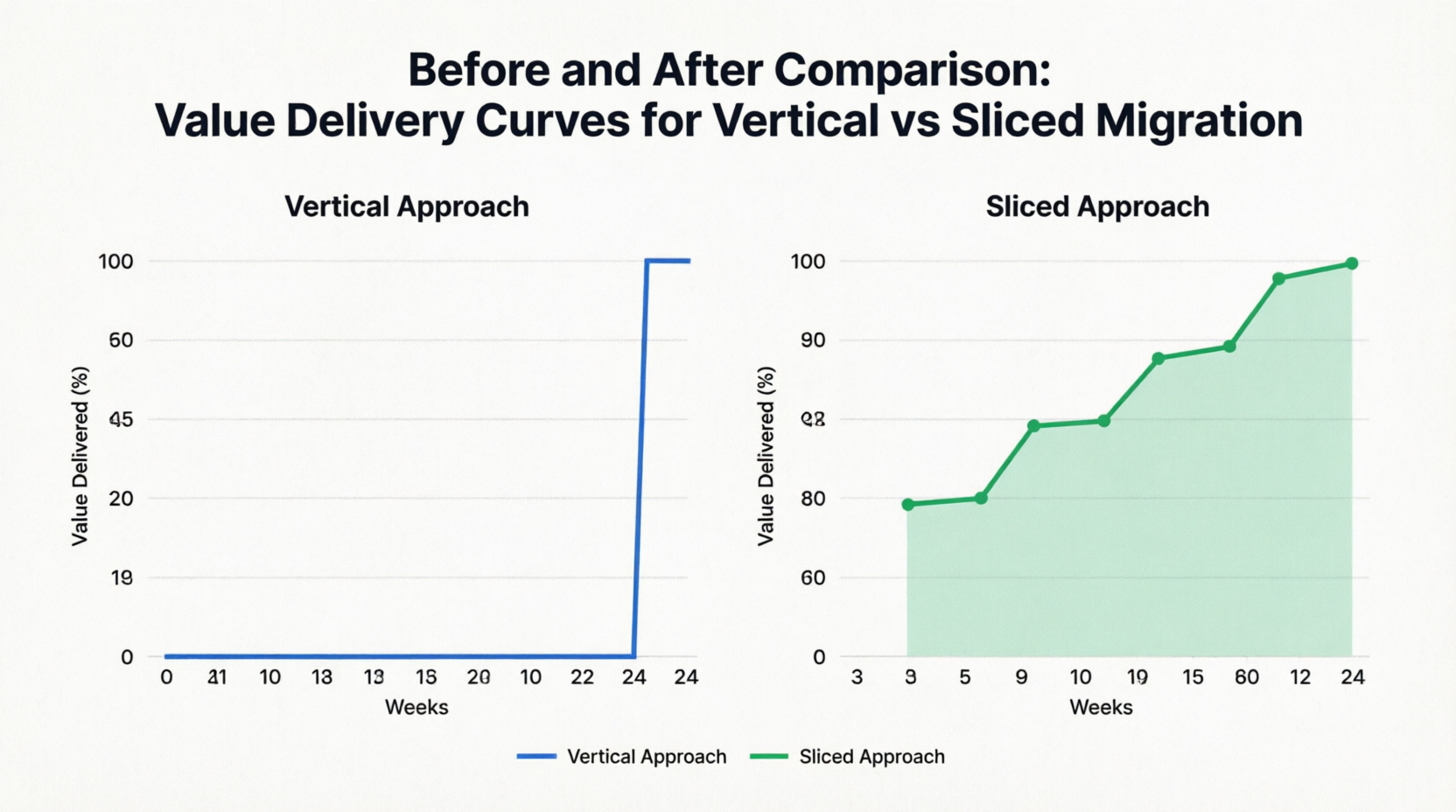
Figure 16: Before and After Comparison – Vertical vs. Sliced Migration Approach
The migration completed successfully in 14 weeks total, with the system fully operational and all loan types supported. More importantly, the organization learned a new approach to complex projects that they applied to subsequent initiatives.
Best Practices for Implementing Use-Case Slicing
Based on successful implementations and the principles outlined above, here are best practices for teams adopting use-case slicing:
1. Start with User Goals, Not Features
Always begin by understanding what users are trying to accomplish. Features are means to an end; user goals are the end itself. Ask: “What problem does this solve?” and “Who benefits?”
2. Collaborate Across Disciplines
Slicing requires input from product owners, developers, testers, designers, and domain experts. No single role has complete perspective on what constitutes a valuable slice.

Figure 17: Cross-Functional Collaboration in Slice Definition Workshops
3. Validate Each Slice Independently
Ensure each slice can be tested end-to-end without depending on future slices. If a slice requires incomplete functionality to demonstrate value, it’s probably too thin or incorrectly defined.
4. Balance Slice Size with Value
Slices should be small enough to complete in a sprint but large enough to deliver meaningful value. If a slice feels trivial, combine it with related stories. If it feels overwhelming, look for natural subdivision points.
5. Maintain Traceability
Keep clear links between slices, their parent use cases, and the business objectives they serve. This traceability supports prioritization decisions and helps stakeholders understand the strategic rationale behind the backlog.
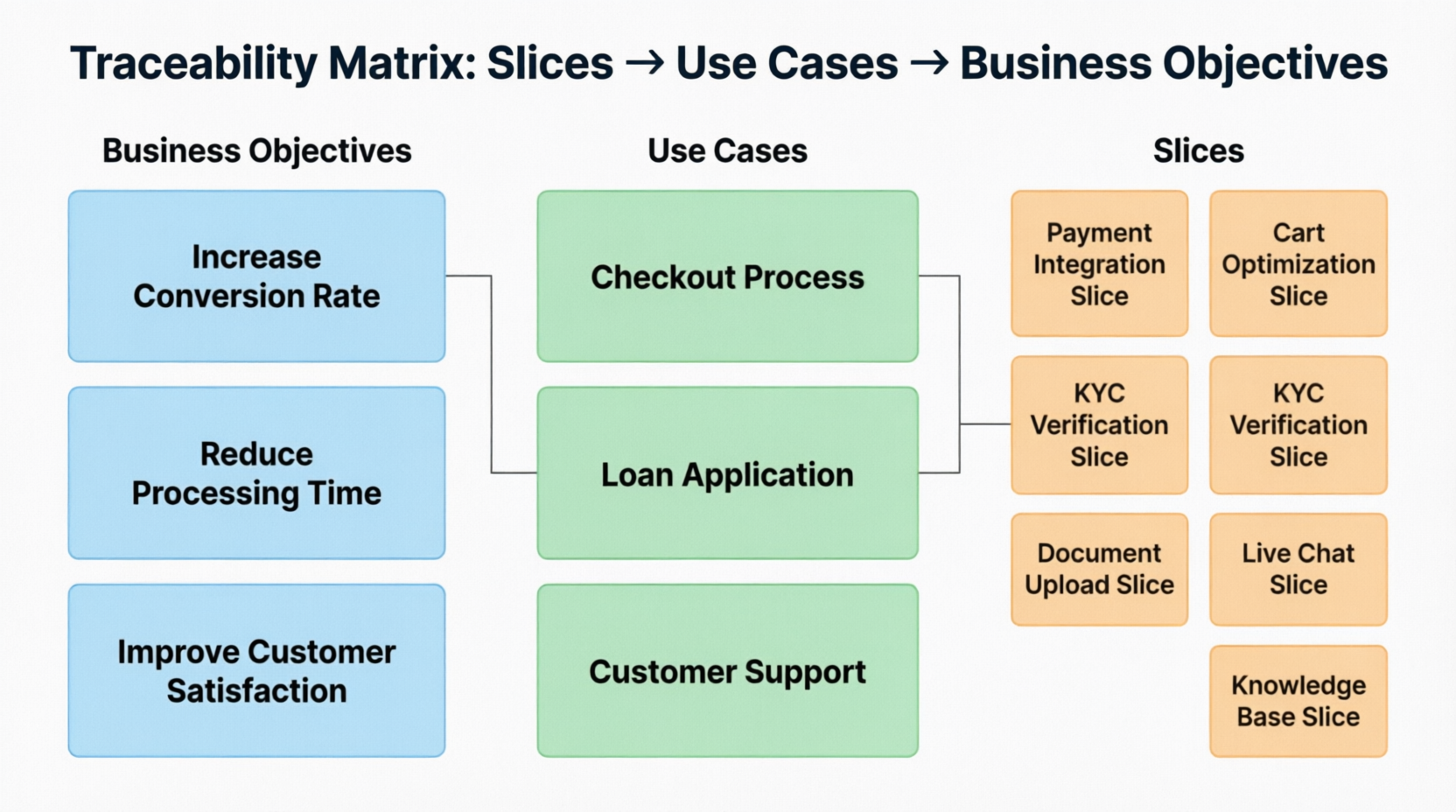
Figure 18: Traceability Matrix Linking Slices to Use Cases to Business Objectives
6. Adapt Granularity to Context
Not all use cases require the same slicing granularity. High-risk, high-value use cases benefit from finer slicing to enable early validation. Lower-priority use cases can use coarser slices to reduce overhead.
7. Communicate Progress in Value Terms
When reporting progress, emphasize the value delivered by completed slices rather than technical milestones achieved. Say “Users can now complete checkout as guests” rather than “Database migration 60% complete.”
Common Pitfalls and How to Avoid Them
Even with good intentions, teams can fall into traps when implementing use-case slicing. Here are common pitfalls and mitigation strategies:
Pitfall 1: Slicing Too Thin
Problem: Creating slices so small they deliver negligible value, essentially recreating vertical dicing with different terminology.
Solution: Apply the “could we release this?” test. If a slice wouldn’t provide value if released independently, it’s probably too thin. Combine related stories until you have a coherent user experience.
Pitfall 2: Ignoring Exception Flows
Problem: Focusing only on happy-path scenarios and deferring exception handling indefinitely, resulting in fragile systems.
Solution: Include critical exception flows in early slices. Users encounter errors regularly, and graceful handling is part of the value proposition.
Pitfall 3: Over-Slicing Upfront
Problem: Attempting to slice all use cases in detail before starting development, creating analysis paralysis.
Solution: Follow the just-in-time refinement principle. Slice only what’s needed for the next few sprints, allowing learning from early slices to inform later ones.
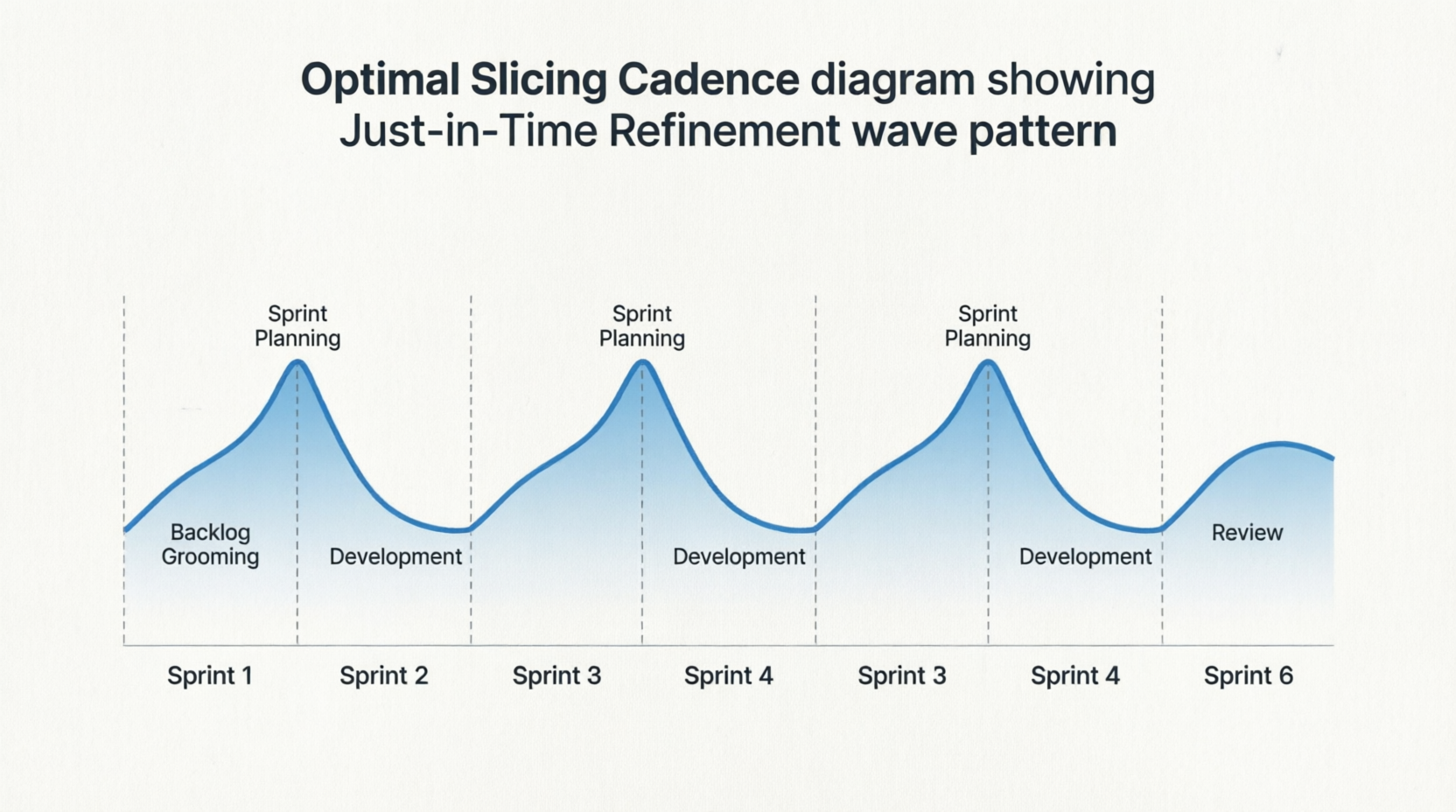
Figure 19: Optimal Slicing Cadence – Just-in-Time Refinement
Pitfall 4: Losing Sight of the Big Picture
Problem: Getting so focused on individual slices that the overall use-case model and strategic objectives become obscured.
Solution: Regularly revisit the use-case model to ensure slices align with high-priority use cases and business goals. Keep the model visible and updated.
Pitfall 5: Treating Slices as Fixed Requirements
Problem: Defining slices rigidly and resisting adaptation based on feedback or changing circumstances.
Solution: Embrace the Agile principle of responding to change. Be willing to redefine, reprioritize, or even discard slices based on new information.
Measuring Success with Use-Case Slicing
To evaluate whether use-case slicing is delivering expected benefits, track these metrics:
Value Delivery Metrics
-
Time to First Value: How long from project start until users receive tangible benefit?
-
Value per Sprint: Quantifiable business value delivered in each increment
-
Stakeholder Satisfaction: Regular feedback on whether delivered slices meet expectations
Quality Metrics
-
Defect Escape Rate: Number of defects found post-release vs. during development
-
Test Coverage: Percentage of slice acceptance tests automated and passing
-
Rework Percentage: Amount of work redone due to misunderstood requirements
Efficiency Metrics
-
Predictability: Variance between estimated and actual effort for slices
-
Flow Efficiency: Ratio of active work time to total cycle time
-
Release Frequency: How often valuable increments reach production
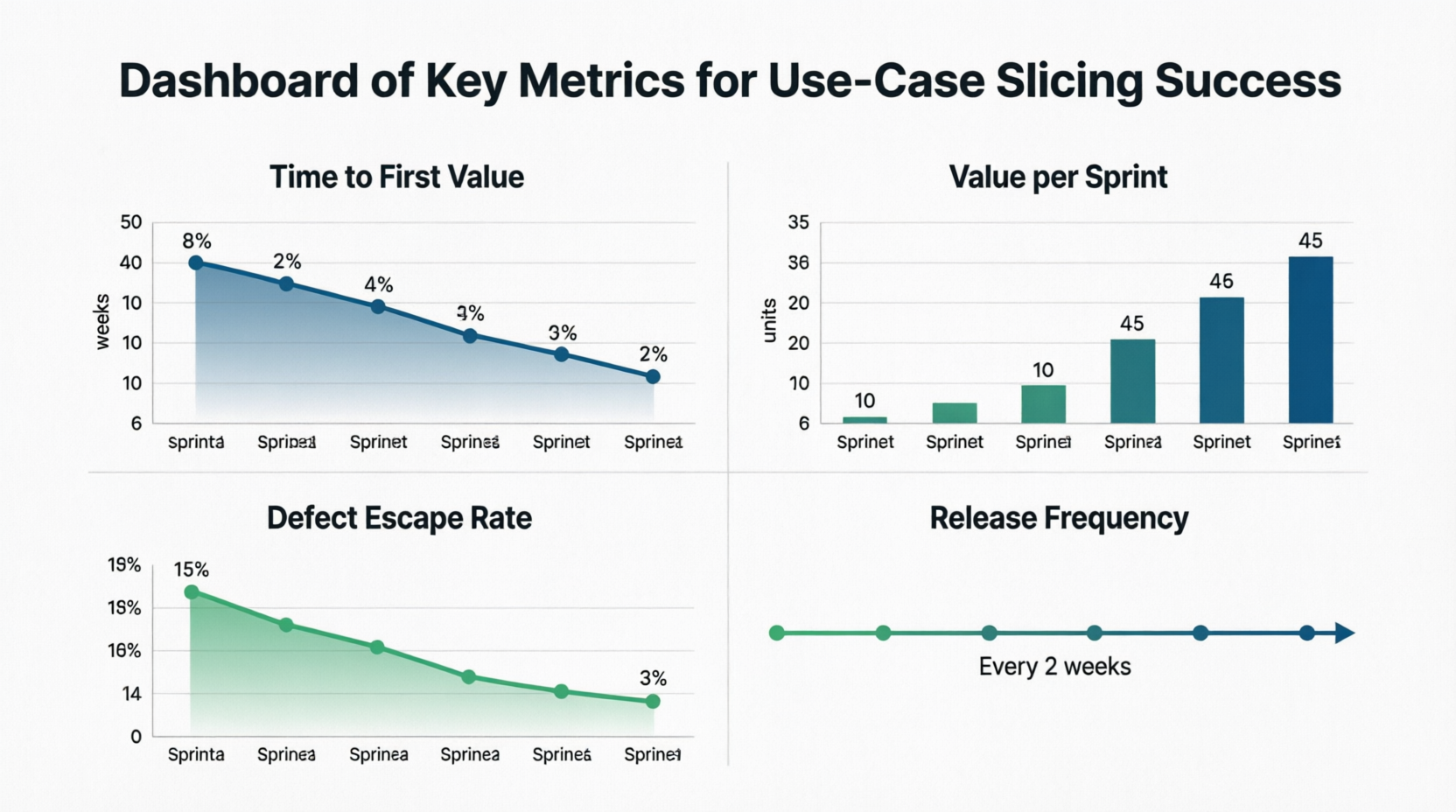
Figure 20: Dashboard of Key Metrics for Use-Case Slicing Success
These metrics should inform continuous improvement of the slicing approach. If time to first value remains high, slices may be too large. If defect rates increase, slices may lack adequate testing. Regular retrospectives should examine these metrics and adjust practices accordingly.
Conclusion
Use-case slicing represents a fundamental shift in how Agile teams approach requirement decomposition and value delivery. By moving from vertical dicing—where work items represent technical steps without standalone value—to horizontal slicing—where each increment delivers end-to-end user functionality—teams unlock the true potential of Agile methodologies.
The evidence is compelling: organizations that adopt use-case slicing experience faster time to market, higher stakeholder satisfaction, reduced project risk, and better return on investment. The approach forces discipline in thinking about value, encourages collaboration across disciplines, and creates a shared understanding of what matters most to users.
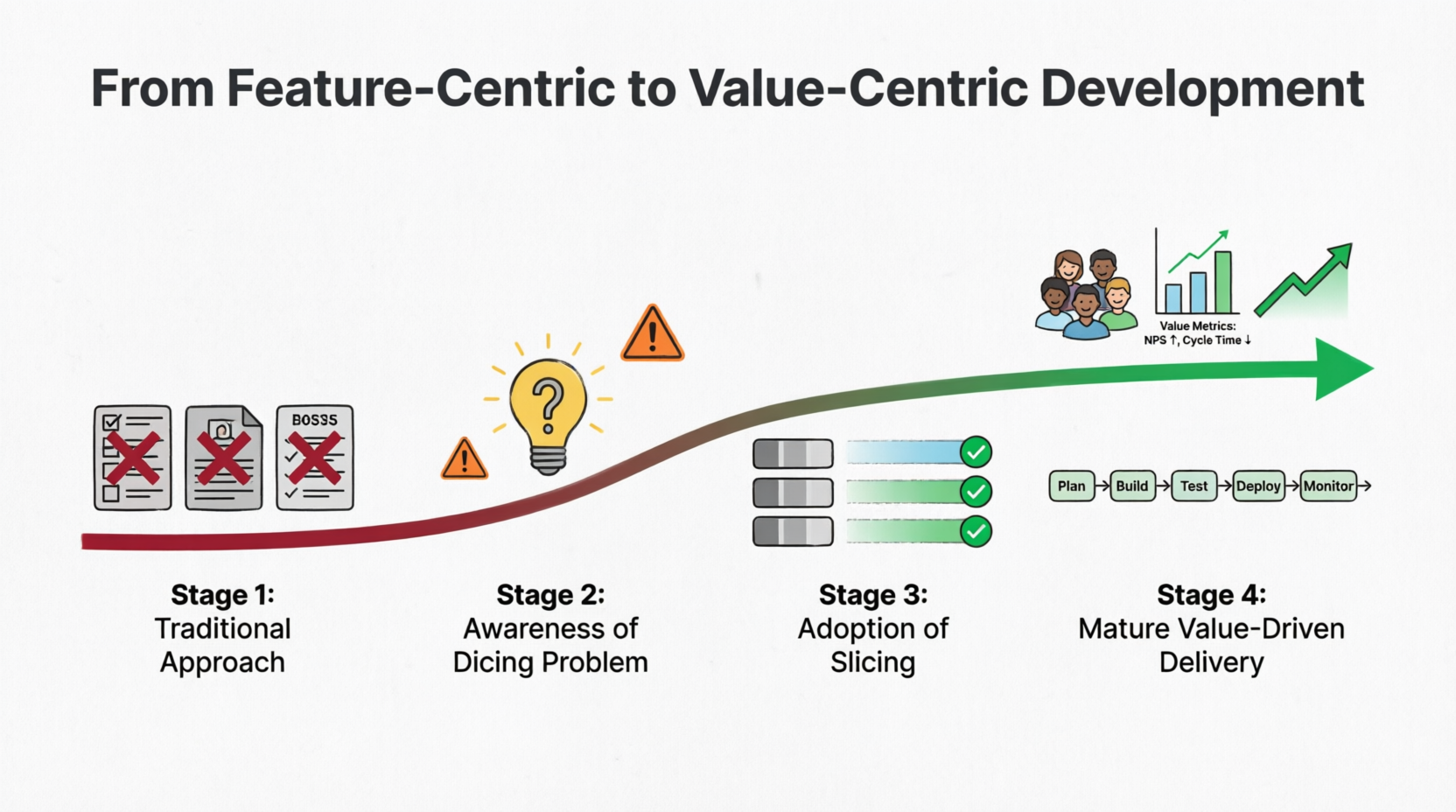
Figure 21: The Journey from Feature-Centric to Value-Centric Development
As we’ve seen through theoretical explanation, practical examples, and a detailed case study, use-case slicing is not merely a technique but a mindset. It requires teams to constantly ask: “What value are we delivering?” rather than “What features are we building?” This question, simple as it seems, transforms how work is conceived, planned, executed, and evaluated.
Looking forward, the principles of use-case slicing remain relevant even as development practices evolve. In the age of AI-assisted coding, low-code platforms, and rapid prototyping tools, the challenge of deciding what to build first—and ensuring it delivers value—becomes more critical, not less. Slicing provides the framework for making these decisions systematically rather than arbitrarily.
For teams struggling with Agile adoption, particularly those finding that sprints produce activity but not value, use-case slicing offers a proven path forward. It bridges the gap between strategic vision and tactical execution, between user needs and technical implementation, between planning and delivery.
The journey begins with a single question: “What is the most valuable thing our users need, and what is the thinnest slice of that we can deliver now?” Answer that question consistently, and you transform not just your development process, but your ability to create products that truly serve their users.
As the Agile manifesto reminds us, our highest priority is satisfying the customer through early and continuous delivery of valuable software. Use-case slicing is the practical mechanism that makes this aspiration achievable. It turns the promise of Agile into the reality of consistent value delivery, one slice at a time.
References
- Use-Case 2.0: The Essential Guide to Successful Software Development: Comprehensive guide introducing use-case slicing as a core concept for Agile development, explaining how to break down use cases into valuable increments that deliver end-to-end functionality.
- Agile Estimating and Planning: Detailed exploration of Agile planning techniques including story splitting, velocity tracking, and release planning that complement use-case slicing approaches.
- User Story Mapping: Discover the Whole Story, Build the Right Product: Practical guide to visualizing user journeys and breaking them into actionable slices, providing complementary techniques to use-case slicing for backlog management.
- The Art of Agile Development: Comprehensive resource on Agile practices including iterative development, continuous feedback, and value-driven prioritization that align with use-case slicing principles.
- Scaling Lean & Agile Development: Thinking and Tools for Large-Scale Projects: Insights on applying Agile and Lean principles at scale, including strategies for managing complex requirements through incremental value delivery.
- Acceptance Test-Driven Development: Explanation of ATDD practices that complement use-case slicing by ensuring each slice is defined and validated through concrete acceptance criteria.
- Continuous Delivery: Reliable Software Releases through Build, Test, and Deployment Automation: Guide to establishing deployment pipelines that enable frequent release of use-case slices, supporting the Agile principle of continuous value delivery.
- This article is part of a series exploring the integration of Use-Case 2.0 with Agile development practices.
This post is also available in Deutsche, Español, فارسی, Français, English, Bahasa Indonesia, 日本語, Portuguese and Việt Nam.
