
From Concept to Knowledge Base: Mastering Visual Paradigm OpenDocs for AI-Powered Documentation

Introduction In the fast-paced world of product management and software development, documentation often becomes the bottleneck. Diagrams live in one tool, requirements in another, and technical specs in a third, leading to version drift and "documentation debt." Visual Paradigm OpenDocs emerges as a solution to this fragmentation, serving as an AI-powered documentation engine and knowledge management platform integrated into the Visual Paradigm Online ecosystem. By unifying text editing with live, interactive visual modeling, OpenDocs allows teams to create dynamic, synchronized documentation that evolves alongside their projects. This guide explores how to leverage OpenDocs’…continue reading →
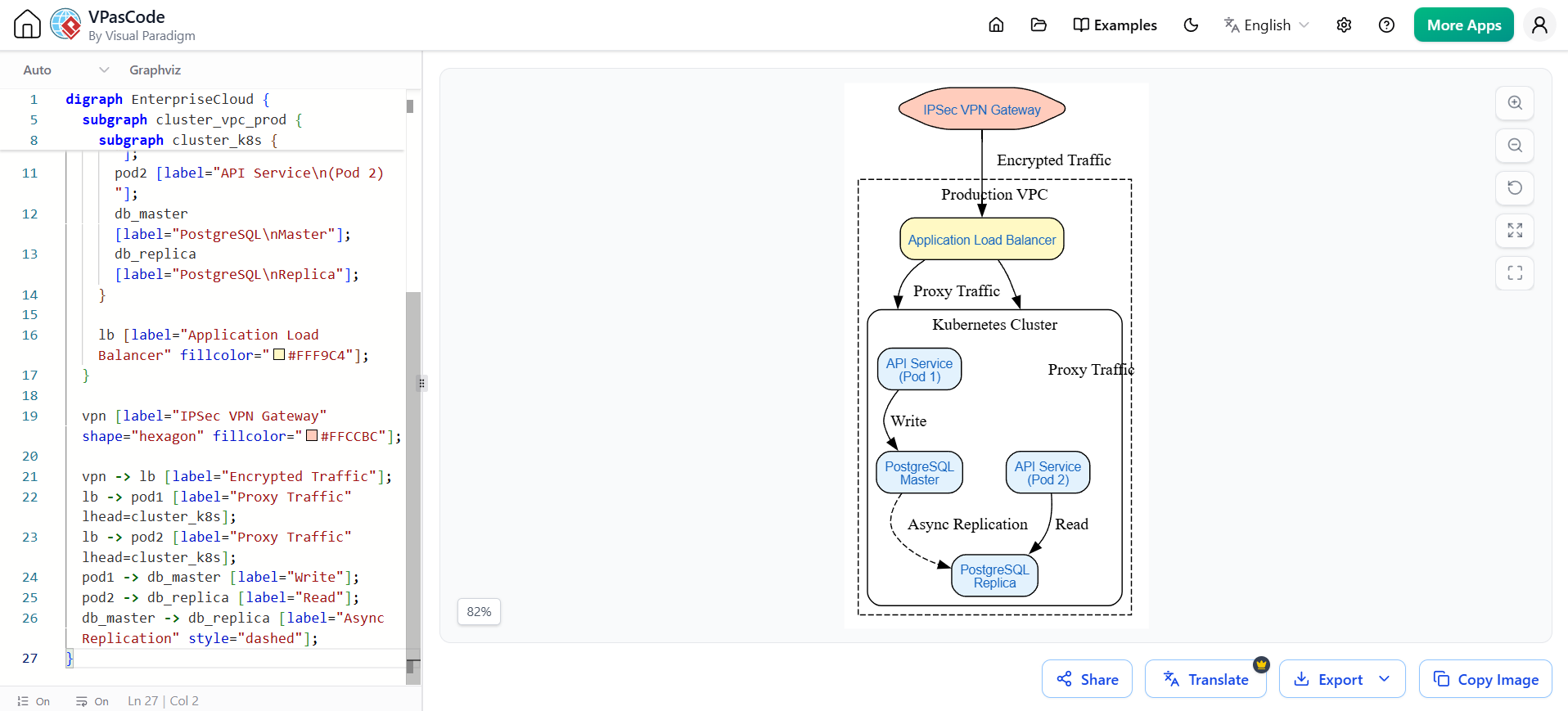
Comprehensive Guide to the Benefits of VPasCode Editor in Visual Paradigm’s Ecosystem

VPasCode is Visual Paradigm’s browser-based diagram-as-code editor. It allows users to create professional diagrams by writing text-based definitions instead of manually drawing shapes. The editor combines code authoring, real-time rendering, AI assistance, sharing, export capabilities, and connections to other Visual Paradigm tools. Its main value is that it brings developer-oriented workflows into visual modeling: diagrams become easier to create, revise, reproduce, share, and maintain alongside technical documentation. 1. Seamless integration with the Visual Paradigm ecosystem VPasCode is designed to work as part of a broader workflow rather than as an isolated diagramming application.…continue reading →

From Prompt to Publication: Mastering AI-Driven UML Modeling using Diagram-as-Code with Visual Paradigm

Introduction In modern software development, documentation often becomes the bottleneck. Traditional diagramming tools require manual drag-and-drop efforts, resulting in static images that quickly become outdated as systems evolve. Meanwhile, engineering teams increasingly prefer code-centric workflows where everything—from infrastructure to application logic—is version-controlled and reproducible. Visual Paradigm bridges this gap by combining three powerful capabilities: AI-assisted diagram generation, VPasCode (Diagram-as-Code), and OpenDocs (Living Documentation). This integrated ecosystem enables teams to generate architecture diagrams from natural language prompts, refine them using text-based syntax like PlantUML, and publish them as living, always-up-to-date documentation. This guide explores how to leverage…continue reading →

Visual Paradigm OpenDocs: Comprehensive Guide

Visual Paradigm OpenDocs is a documentation and knowledge-management workspace within the Visual Paradigm ecosystem. Its purpose is to turn diagrams, models, project information, and written explanations into structured, shareable, maintainable documentation. Rather than treating diagrams as isolated images, OpenDocs provides a place where diagrams can be organized with context: descriptions, requirements, decisions, procedures, architecture explanations, project notes, and other supporting material. It is especially useful for teams that need documentation to remain connected to the analysis and design work from which it was created. Visual Paradigm positions OpenDocs as part of a broader…continue reading →

From Static Snapshots to Living Knowledge: Unifying Documentation and Modeling with Visual Paradigm OpenDocs

Introduction In the rapidly evolving landscape of software development and enterprise architecture, the gap between technical documentation and visual modeling has long been a source of friction. Traditional knowledge management platforms treat diagrams as static images—snapshots that quickly become obsolete as systems evolve. This disconnect leads to documentation drift, where written specifications no longer match the actual system design, creating confusion, inefficiency, and risk. Visual Paradigm OpenDocs emerges as a transformative solution to this challenge. As an AI-powered, web-based knowledge management platform, it unifies technical documentation with visual modeling and diagramming into a…continue reading →
VPasCode Deep Dive: Unifying Mermaid, PlantUML, and AI in One Platform

VPasCode Deep Dive: Unifying Mermaid, PlantUML, and AI in One Platform

In the world of technical documentation, "Diagram as Code" has moved from a niche developer practice to an industry-standard approach. But for teams juggling multiple diagram types—flowcharts, sequence diagrams, C4 models, and infrastructure maps—the challenge has been tool fragmentation. Visual Paradigm's VPasCode addresses this head-on by unifying three major text-to-diagram engines in a single, browser-based platform, enhanced with AI capabilities and seamless integration with documentation workflows . This guide explores VPasCode's core features, demonstrates realistic examples across its supported syntaxes, and shows how it connects to the broader OpenDocs ecosystem for living documentation. What Makes…continue reading →

From Code to Clarity: A Beginner’s Guide to Seamless Diagramming with VPasCode and OpenDocs

This guide is designed to walk you through the complete workflow of creating professional diagrams using Mermaid syntax in VPasCode and seamlessly publishing them to your knowledge base in OpenDocs. We'll cover the entire pipeline from setup to publishing, with realistic, ready-to-use examples. Why This Workflow Matters Documentation in software development often lags behind code. Engineers spend hours crafting complex system architectures, while technical writers struggle to keep visuals updated in static documents. The result? Outdated diagrams, broken links, and a knowledge base that doesn't reflect reality . VPasCode and OpenDocs solve this…continue reading →