From Big Picture to Code: A Beginner’s Guide to Visualizing Software Architecture with the C4 Model

From Big Picture to Code: A Beginner’s Guide to Visualizing Software Architecture with the C4 Model

Introduction Software architecture documentation often feels overwhelming. Developers either create overly complex diagrams that nobody understands or skip documentation entirely, leaving teams lost in a maze of code. Enter the C4 model—a simple, hierarchical approach to software architecture visualization created by Simon Brown. Think of it as Google Maps for your software: you start with a world view and progressively zoom in until you see individual streets and buildings. This tutorial will walk you through all four levels of the C4 model with practical examples, PlantUML code snippets, and guidance on using modern tools…continue reading →
VPasCode Deep Dive: Unifying Mermaid, PlantUML, and AI in One Platform

VPasCode Deep Dive: Unifying Mermaid, PlantUML, and AI in One Platform

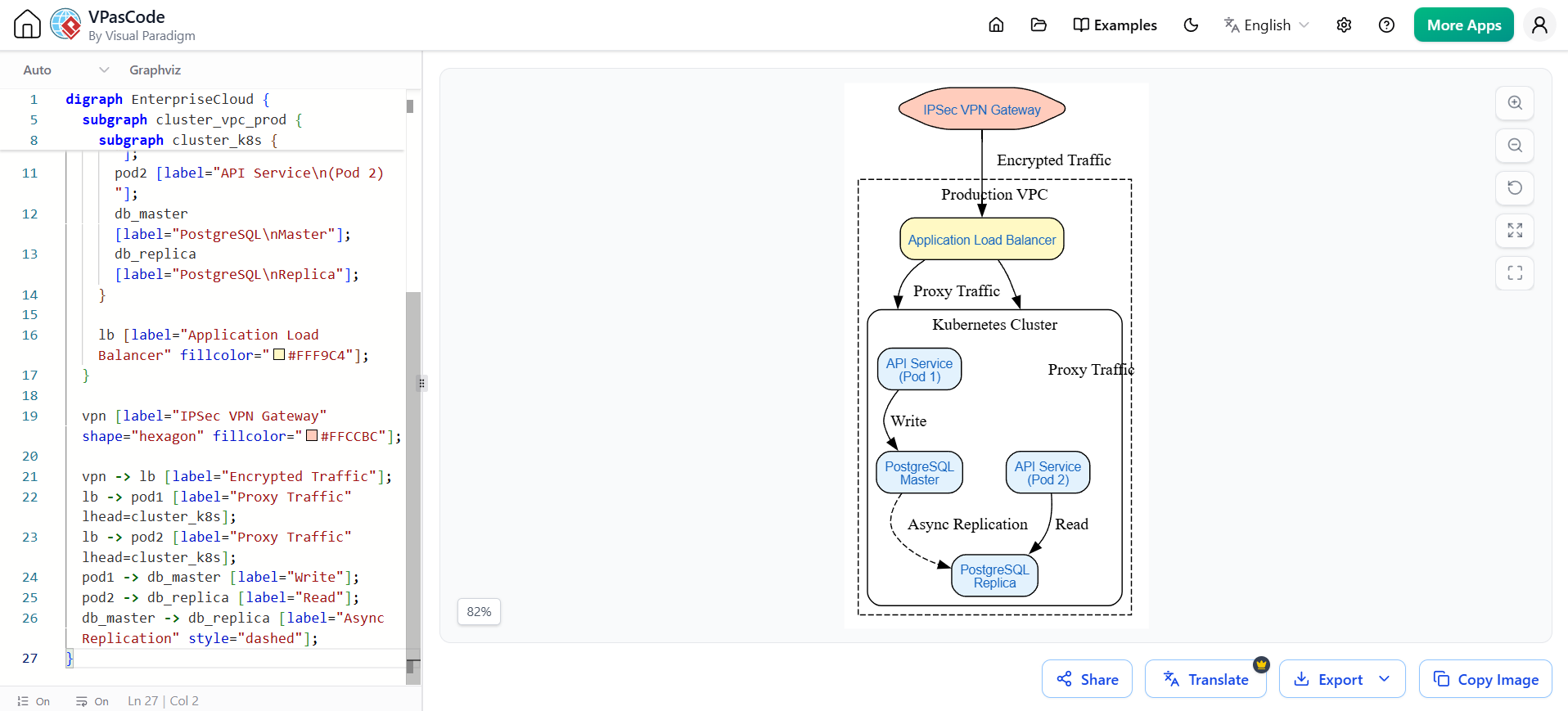
In the world of technical documentation, "Diagram as Code" has moved from a niche developer practice to an industry-standard approach. But for teams juggling multiple diagram types—flowcharts, sequence diagrams, C4 models, and infrastructure maps—the challenge has been tool fragmentation. Visual Paradigm's VPasCode addresses this head-on by unifying three major text-to-diagram engines in a single, browser-based platform, enhanced with AI capabilities and seamless integration with documentation workflows . This guide explores VPasCode's core features, demonstrates realistic examples across its supported syntaxes, and shows how it connects to the broader OpenDocs ecosystem for living documentation. What Makes…continue reading →

From Code to Clarity: A Beginner’s Guide to Seamless Diagramming with VPasCode and OpenDocs

This guide is designed to walk you through the complete workflow of creating professional diagrams using Mermaid syntax in VPasCode and seamlessly publishing them to your knowledge base in OpenDocs. We'll cover the entire pipeline from setup to publishing, with realistic, ready-to-use examples. Why This Workflow Matters Documentation in software development often lags behind code. Engineers spend hours crafting complex system architectures, while technical writers struggle to keep visuals updated in static documents. The result? Outdated diagrams, broken links, and a knowledge base that doesn't reflect reality . VPasCode and OpenDocs solve this…continue reading →
Accelerating Agile Delivery: A Comprehensive Guide to the AI-Powered Development Plan Generator

Accelerating Agile Delivery: A Comprehensive Guide to the AI-Powered Development Plan Generator

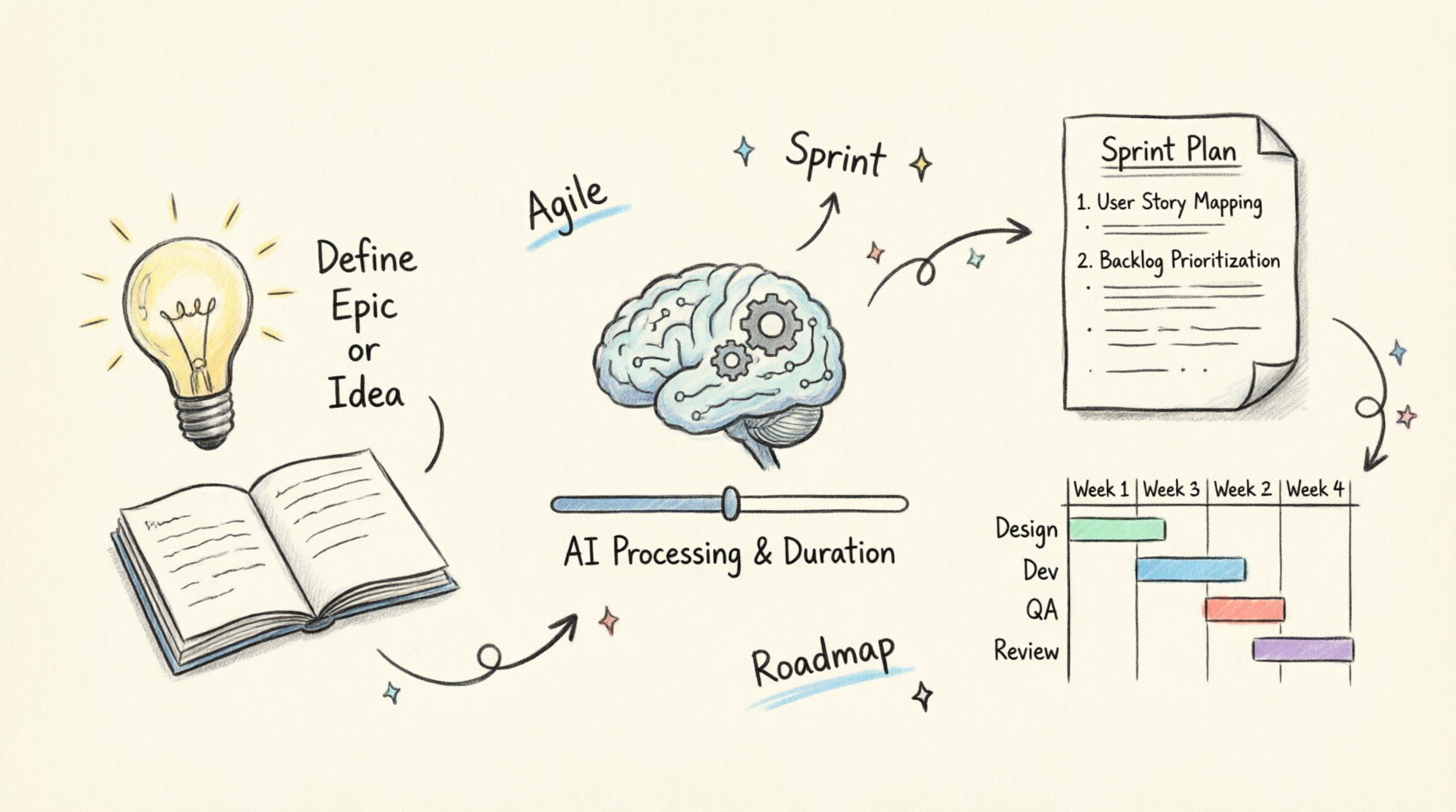
Agile teams thrive on adaptability, continuous delivery, and rapid response to change. However, even the most flexible teams need a solid foundation—whether it's a clear release plan, a well-defined Epic, or a structured sprint roadmap. Creating these plans from scratch can drain valuable time away from actual development and team collaboration. Enter the AI-Powered Development Plan Generator by Visual Paradigm. This innovative tool bridges the gap between high-level product vision and actionable Agile execution, helping Product Owners, Scrum Masters, and development teams rapidly generate structured roadmaps that can be easily broken down into sprints,…continue reading →
Beyond Pretty Pictures: A Modern Guide to Analysis and Design with AI, Diagram-as-Code, and Visual Paradigm

Beyond Pretty Pictures: A Modern Guide to Analysis and Design with AI, Diagram-as-Code, and Visual Paradigm

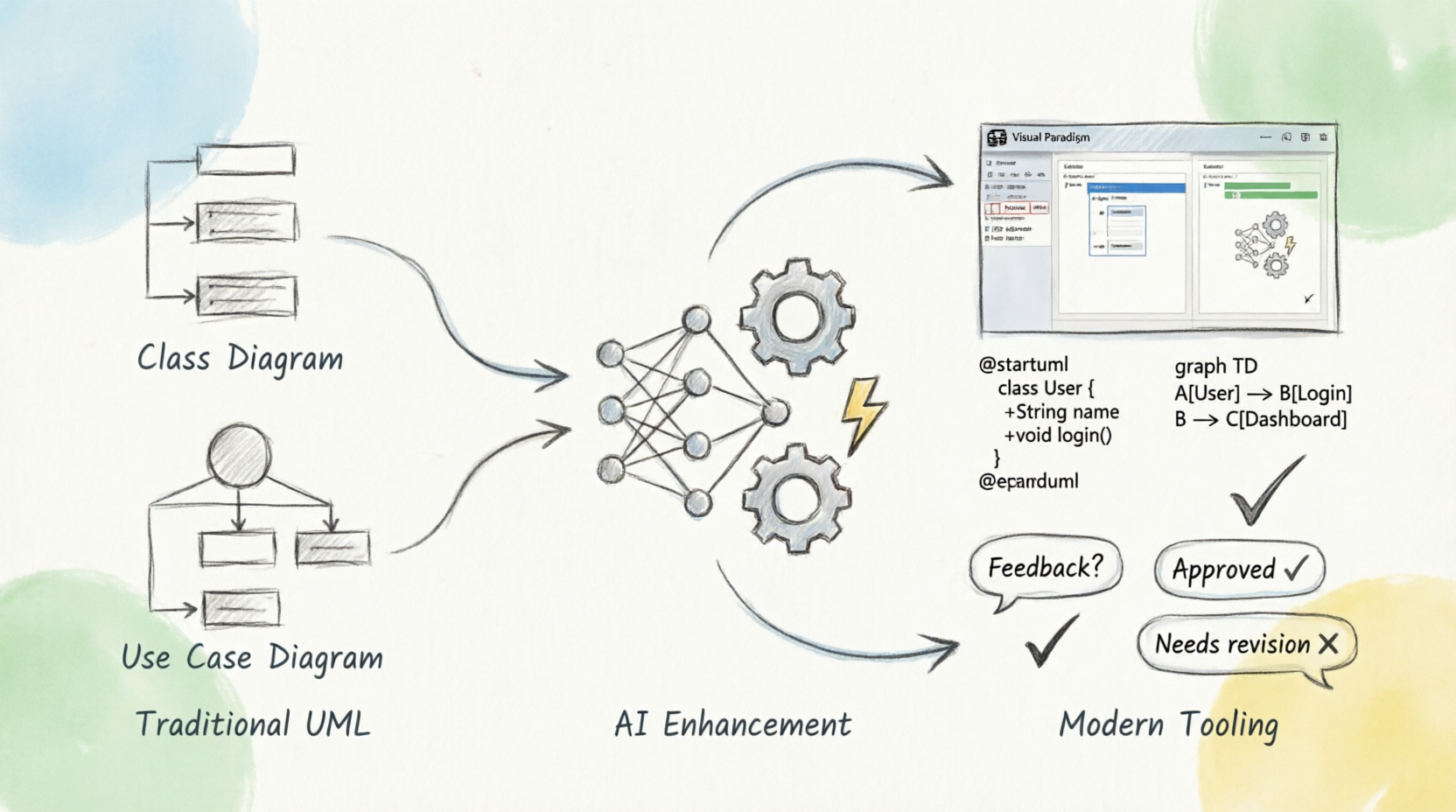
Introduction In the fast-paced world of software development, there’s a persistent myth that diagrams are merely decorative artifacts—"pretty pictures" that distract from the real work of writing code. This perspective overlooks a fundamental truth: software development is as much about communication and understanding as it is about implementation. The Unified Modeling Language (UML) and related modeling techniques serve as critical bridges between abstract ideas and concrete implementations. They help teams navigate complexity, align stakeholders, and build systems that truly meet user needs. However, the landscape of analysis and design has evolved significantly since traditional…continue reading →
What Makes Visual Paradigm’s AI Chatbot Different from Other AI Diagram Tools?

What Makes Visual Paradigm’s AI Chatbot Different from Other AI Diagram Tools?

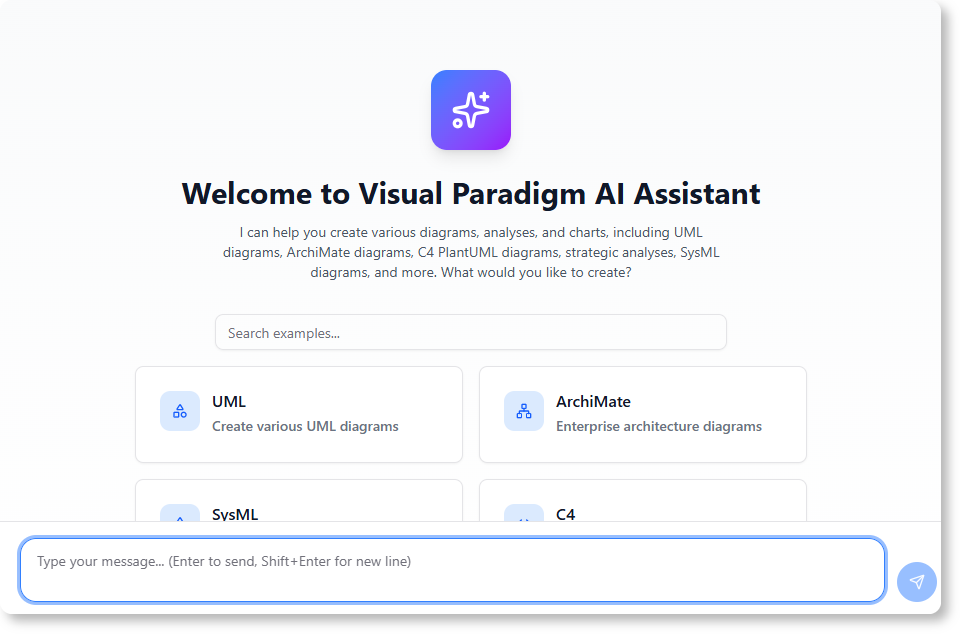
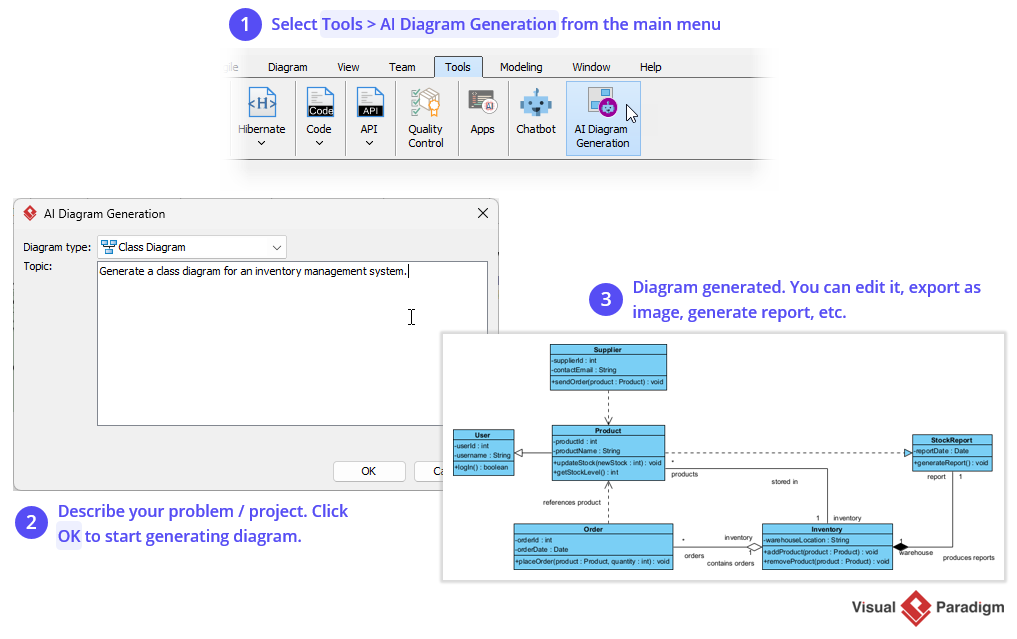
The proliferation of AI-driven diagramming tools has introduced a new layer of automation into software and business analysis. However, most tools remain constrained by narrow domain coverage, generic diagram generation, and isolated functionality. In contrast, the visual paradigm ai chatbot is designed not as a standalone assistant but as a specialized engine for modeling intelligence. It operates within a framework grounded in formal modeling standards, offering a structured, context-aware approach to diagram generation and interpretation. This distinction stems from its foundation in established modeling languages—UML, SysML, ArchiMate, C4, and business frameworks—each of which…continue reading →
Why Every Team Needs an AI Diagram Maker for Faster Project Kickoff

Why Every Team Needs an AI Diagram Maker for Faster Project Kickoff

The initiation phase of any project—whether in software development, business strategy, or product design—relies heavily on clear, shared understanding. Without structured visualization, teams often fall into misaligned assumptions, redundant discussions, or divergent interpretations of scope and function. This gap in early-stage planning is not merely inefficiency; it introduces risks that compound over time. An ai diagram maker addresses this by transforming abstract ideas into actionable, standardized visual models with minimal cognitive load. Modern software engineering and business analysis emphasize the role of modeling as a foundational discipline. Diagrams serve as formalized expressions of…continue reading →

From Strategy to Execution: Accelerating Enterprise Architecture with AI-Powered ArchiMate Modeling

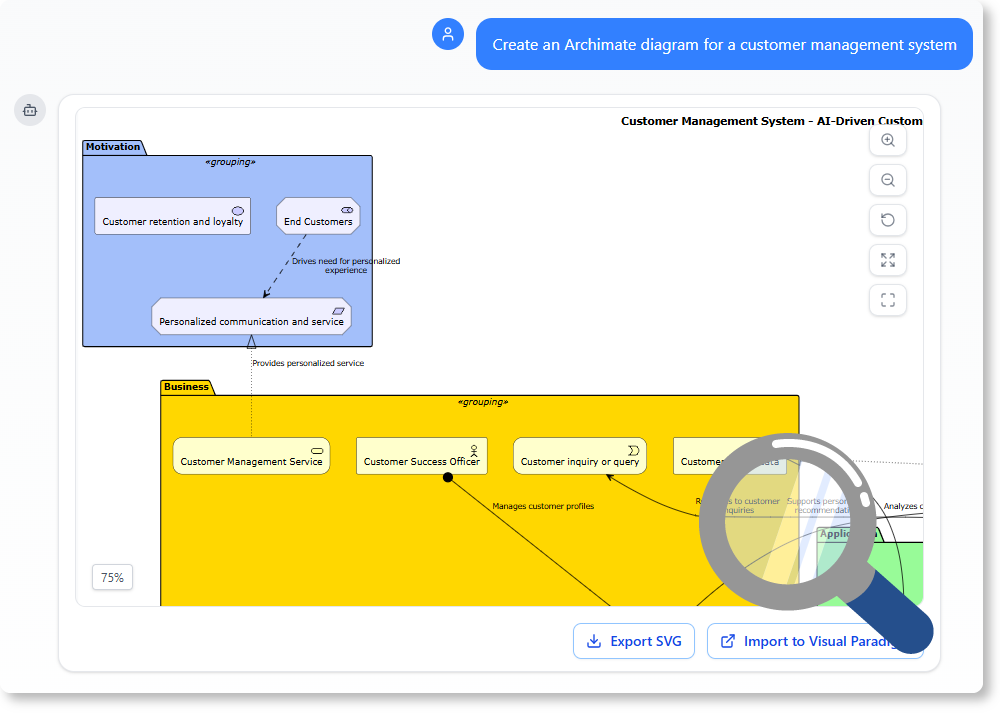
Introduction In today's rapidly evolving digital landscape, organizations face unprecedented complexity in aligning business strategy with technology execution. Enterprise Architecture (EA) has emerged as a critical discipline for navigating this complexity, providing the frameworks and tools needed to visualize, analyze, and communicate how different organizational domains interconnect. At the heart of modern EA practice lies ArchiMate—the open, vendor-independent modeling language standardized by The Open Group. This case study explores how ArchiMate, particularly when empowered by AI-driven tooling like Visual Paradigm, transforms enterprise architecture from a theoretical exercise into a dynamic, actionable practice. We…continue reading →

Agile Modeling in Action: Accelerating Sprints with Just-in-Time Use Cases

Introduction In the fast-paced world of Agile software development, teams constantly navigate the delicate balance between thorough planning and rapid execution. A common misconception persists that formal modeling and documentation inherently slow down development velocity. However, forward-thinking teams are discovering that when modeling is applied strategically—specifically through a Just-in-Time (JIT) approach—it becomes a powerful accelerator rather than a bottleneck. This case study explores how JIT modeling transforms use cases from heavyweight compliance artifacts into lightweight, collaborative tools that enhance clarity, reduce rework, and improve team alignment. By examining real-world applications and practical techniques,…continue reading →
From Stories to Systems: Mastering Use-Case 2.0 for Agile and AI-Driven Development

From Stories to Systems: Mastering Use-Case 2.0 for Agile and AI-Driven Development

Introduction In the rapidly evolving landscape of software development, the tension between agility and structure has long been a central challenge. For decades, teams have oscillated between heavyweight documentation that ensures completeness but stifles speed, and lightweight user stories that promote velocity but often sacrifice context. As systems grow in complexity and the demand for rapid delivery intensifies, neither extreme alone suffices. Enter Use-Case 2.0: a modern evolution of requirements engineering that bridges this gap. Born from the foundational principles of traditional use cases but reimagined through the lens of Agile methodologies like Scrum…continue reading →