Home » Uncategorized » Page 2
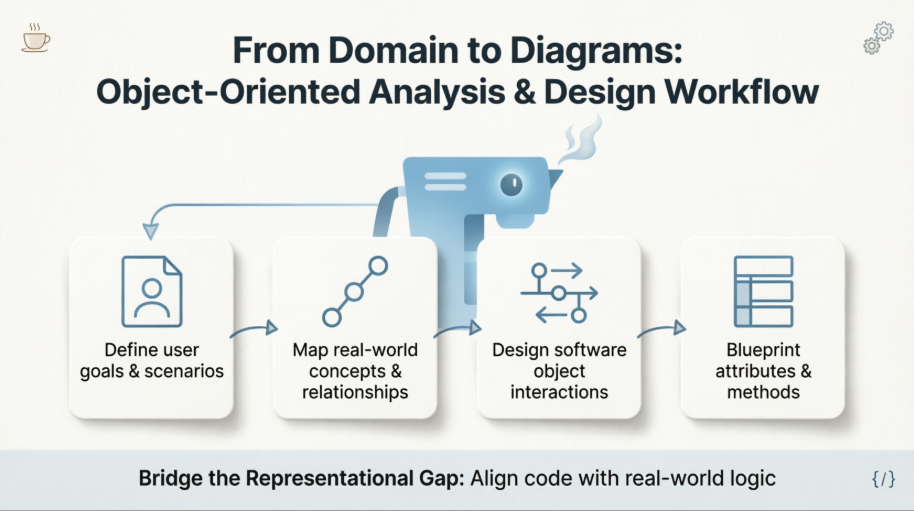
Introduction In modern software engineering, the distance between a business problem and its technical implementation is often the primary source of project failure, scope creep, and unmaintainable code. Object-Oriented Analysis and Design (OOA/D) emerged as a disciplined methodology to bridge this divide, translating complex real-world processes into structured, modular, and scalable software architectures. Rather than jumping straight into coding, OOA/D mandates a systematic progression from understanding user intent to modeling conceptual domains, mapping dynamic interactions, and finally drafting static blueprints. This case study explores the complete OOA/D lifecycle through a tangible, real-world scenario:…
continue reading →
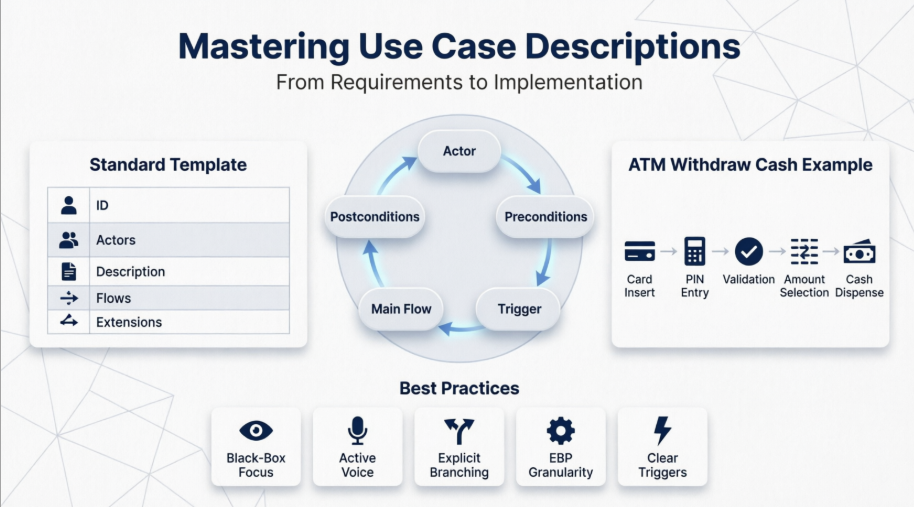
Introduction In modern software engineering, misaligned requirements remain one of the leading causes of project delays, scope creep, and stakeholder dissatisfaction. While visual modeling techniques like Use Case Diagrams effectively illustrate system boundaries, actors, and high-level goals, they inherently lack the granular detail required for development, testing, and quality assurance. This is where Use Case Descriptions become indispensable. A well-crafted use case narrative transforms abstract system goals into actionable, step-by-step specifications. By documenting precise interactions, decision points, and error-handling pathways, teams establish a single source of truth that aligns product owners, developers, testers, and business…
continue reading →
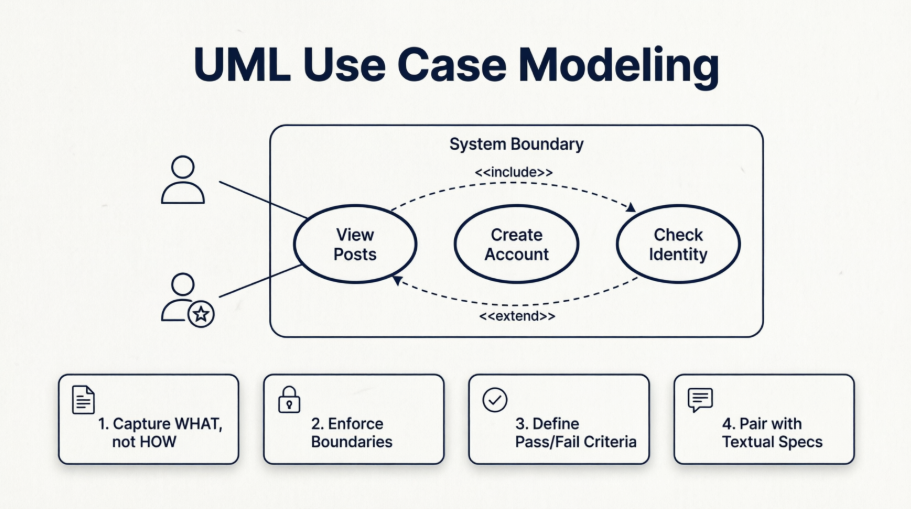
Introduction In modern software engineering, the gap between stakeholder expectations and technical implementation remains one of the most frequent sources of project friction. Requirements documents written in natural language are often verbose, ambiguous, and open to interpretation. Use Case modeling emerged as a standardized solution to this problem, offering a visual, outside-in perspective that captures exactly what a system must do, who interacts with it, and where the system's boundaries lie. This case study explores how to translate fragmented functional requirements into precise, testable architectural blueprints using UML 2.0 Use Case diagrams. By…
continue reading →
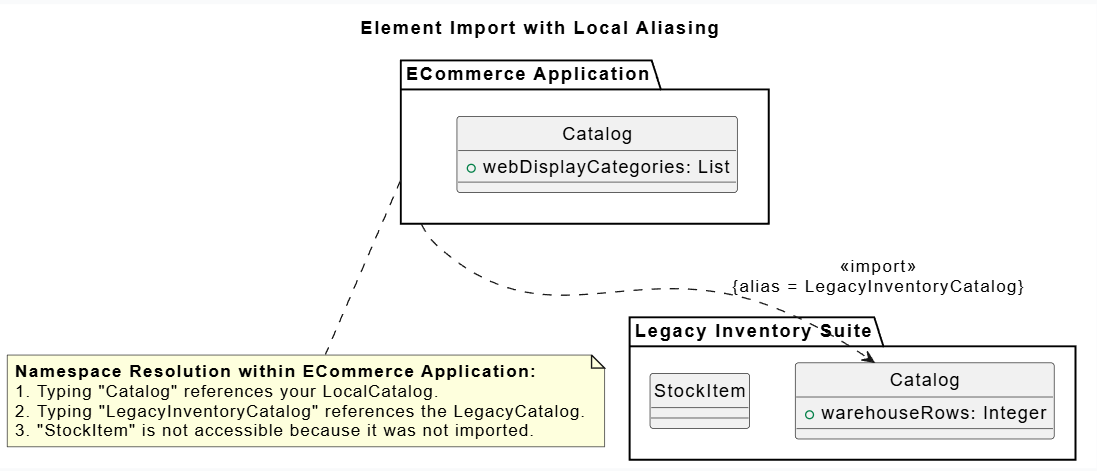
Introduction Modern enterprise software rarely exists as a single monolithic block. As systems scale into distributed, multi-module architectures, developers inevitably face the challenges of namespace pollution, transitive dependency sprawl, and unintentional coupling. Without explicit boundary controls, a change in a foundational utility package can cascade unpredictably through middleware and UI layers, turning routine refactors into high-risk operations. UML 2.0 addresses these structural vulnerabilities through a precise, rule-driven approach to cross-package visibility. By distinguishing between Element Import, Package Import, and the behavioral dichotomy of «import» (public) versus «access» (private), architects can model exactly how namespaces are shared, isolated, or re-exported. Grounded in the…
continue reading →
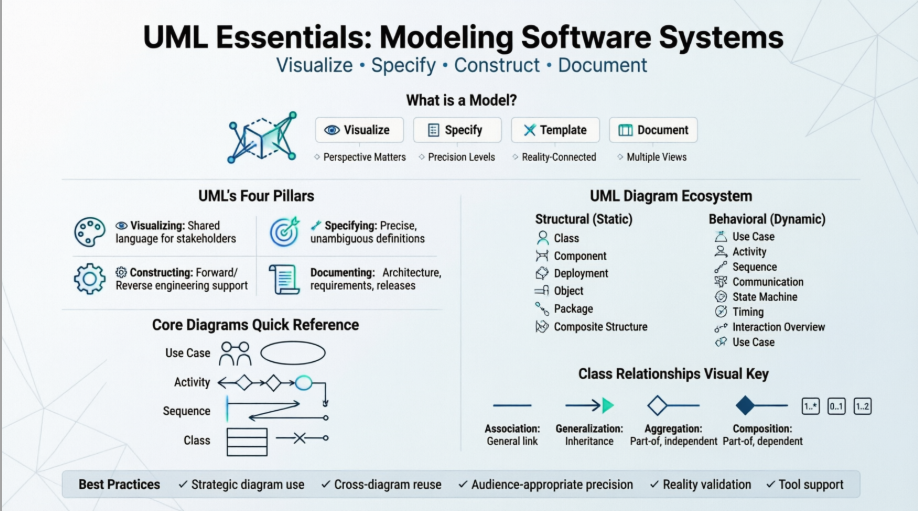
1. What Are Models? A model is a complete description of a system from a particular perspective and acts as a simplified representation of reality. You build models because complex systems cannot be fully comprehended in their entirety. Four Core Aims of Modeling: Visualize a system as intended. Specify the structure or behavior of a system. Provide a template to guide system construction. Document design decisions. Four Principles of Modeling The model you choose directly influences how a problem is approached. Every model can be expressed at varying levels of precision. The most effective models remain tightly connected to reality.…
continue reading →
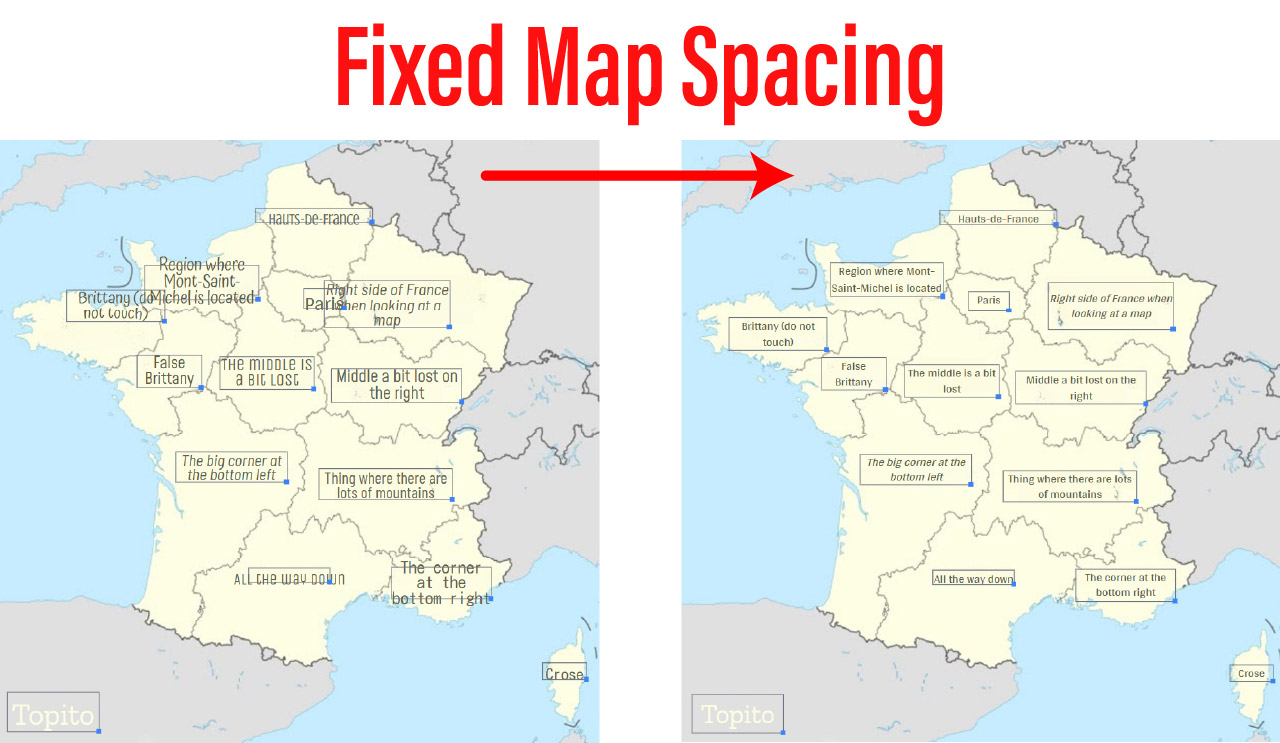
Translating text in images is a breeze with modern image translation technology, but what happens when the translated text doesn’t fit the original layout? Text length changes are a common challenge in multilingual image translation, often leading to cluttered or overlapping designs. Fortunately, Visual Paradigm Online’s AI image translator offers a solution with its intuitive Move Text Blocks feature. This AI-powered image tool ensures your translated visuals stay neat and professional. In this post, we’ll explore how AI image conversion paired with text block movement creates perfect layouts every time—especially for cartographers and…
continue reading →
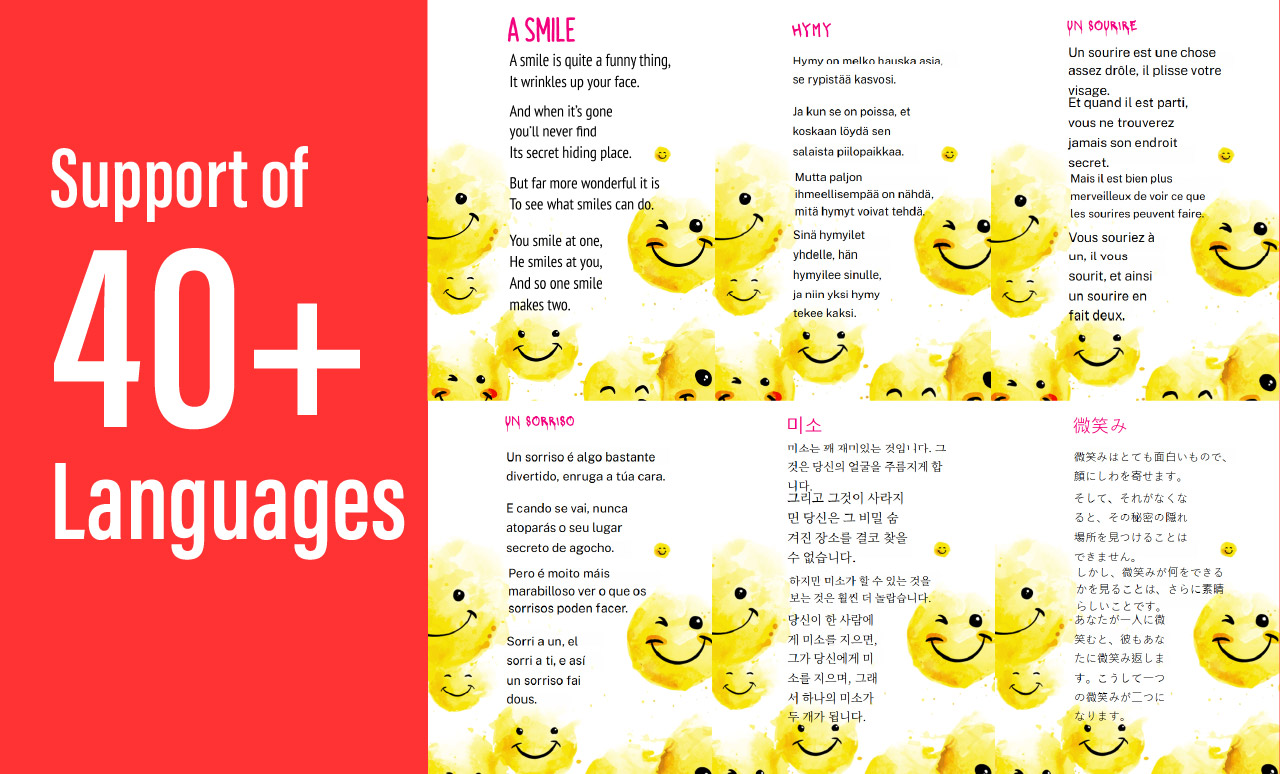
In today’s diverse classrooms, language barriers can make learning a challenge. Whether it’s a student struggling with a foreign textbook or a teacher adapting resources for multilingual learners, image language translation is becoming an essential tool in education. Enter Visual Paradigm Online’s AI image translator, an AI-powered image tool designed to bridge these gaps with ease. Powered by cutting-edge image translation technology, this AI visual translator transforms how educators handle multilingual image translation, making lessons accessible to all. Let’s explore how this AI image conversion tool can revolutionize education. Why Education Needs an…
continue reading →
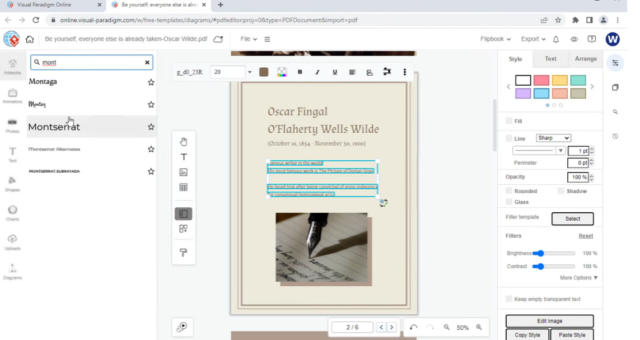
Choosing the Perfect PDF Editor: Why Visual Paradigm Online Stands Out In today's digital age, the need for a reliable PDF editor is more pronounced than ever. Whether you're a student, a professional, or someone who regularly deals with documents, having the right PDF editor at your disposal can significantly streamline your work and improve productivity. When it comes to making this critical choice, Visual Paradigm Online PDF Editor rises above the competition, offering a wealth of features and advantages that make it the ideal choice for individuals and businesses alike. https://www.youtube.com/watch?v=MxjPH4gdamU One…
continue reading →
Leveraging the power of our Visual Paradigm PDF Editor and Flipbook Maker can greatly contribute to your marketing success. These two tools work in synergy to transform your marketing materials, taking them from static documents to engaging and interactive flipbooks that captivate your target audience. Here's how you can harness their potential for marketing success: Engaging Content Delivery: Our Flipbook Maker allows you to convert your marketing materials, such as brochures, catalogs, and presentations, into interactive flipbooks. By adding multimedia elements like videos, audio clips, and interactive links, you can create a captivating…
continue reading →
Introduction PDF, short for Portable Document Format, has become a household name in the digital age. It has emerged as the universal language for sharing, viewing, and archiving documents across the globe. Initially conceived as a static format designed primarily for sharing and viewing, PDF has transcended its original purpose to become the most widely used document format worldwide. In its early days, the notion of editing a PDF seemed almost paradoxical. PDFs were intended to be a secure, unalterable representation of a document, preserving its layout and content exactly as intended by…
continue reading →